Many Lumens
with Maori Karmael Holmes
BlackStar founder Maori Karmael Holmes chats with the most groundbreaking artists, change makers, and cultural workers — finding meaning in the intersections of art, social change, and popular culture.
(Season 3)
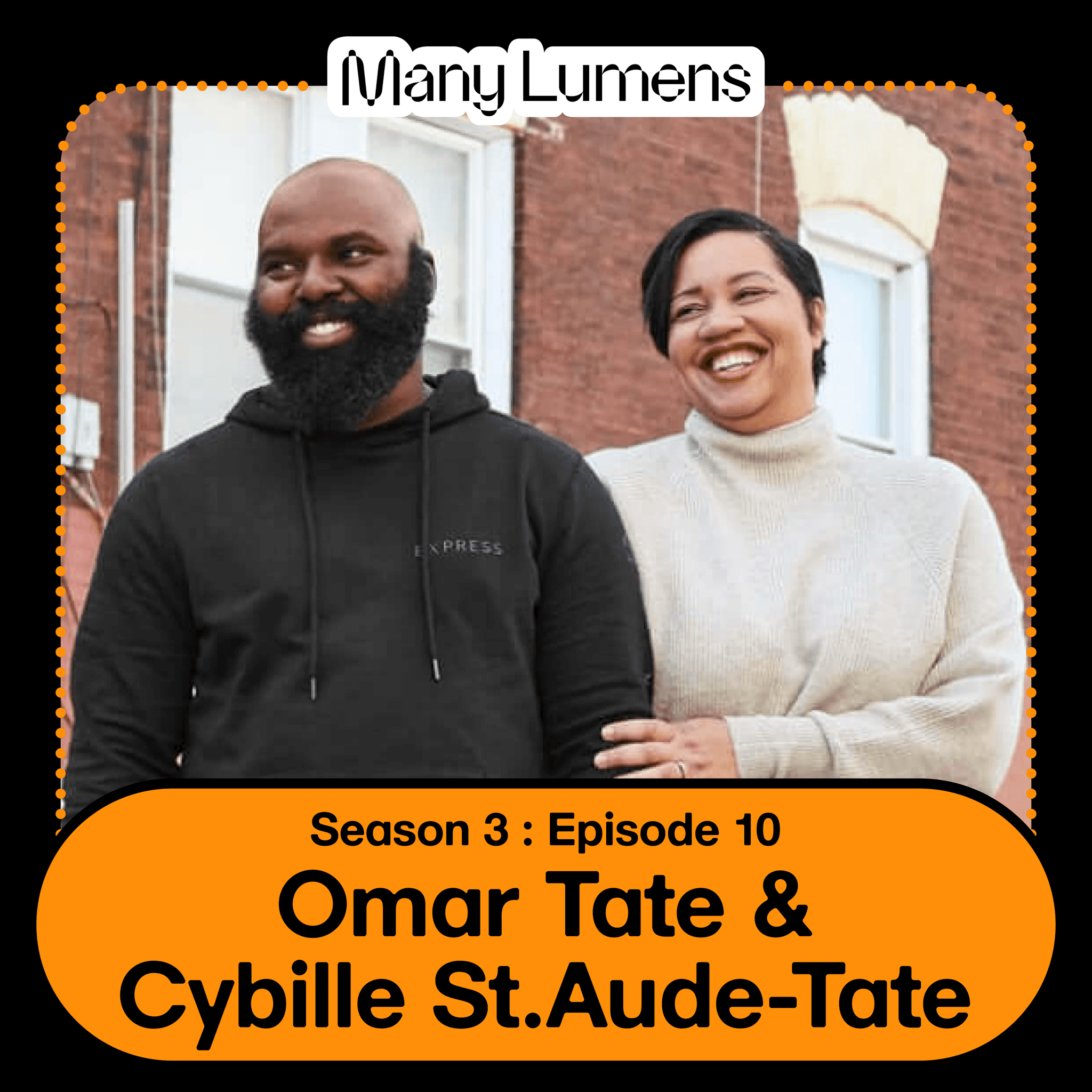
Omar Tate + Cybille St.Aude Tate
Maori talks with Omar Tate and Cybille St. Aude-Tate, renowned chefs and founders of Honeysuckle Provisions, an Afro-centric grocery and cafe in West Philadelphia. In this conversation, Omar reflects on the food surrounding his childhood neighborhoods and how Black foodways brought him back to Philadelphia, while Cybille talks about growing up Haitian on Long Island. The duo also discuss their favorite dishes, the courage it took to open up their business, their mentors, and how family history grounds their work.
(Season 3)
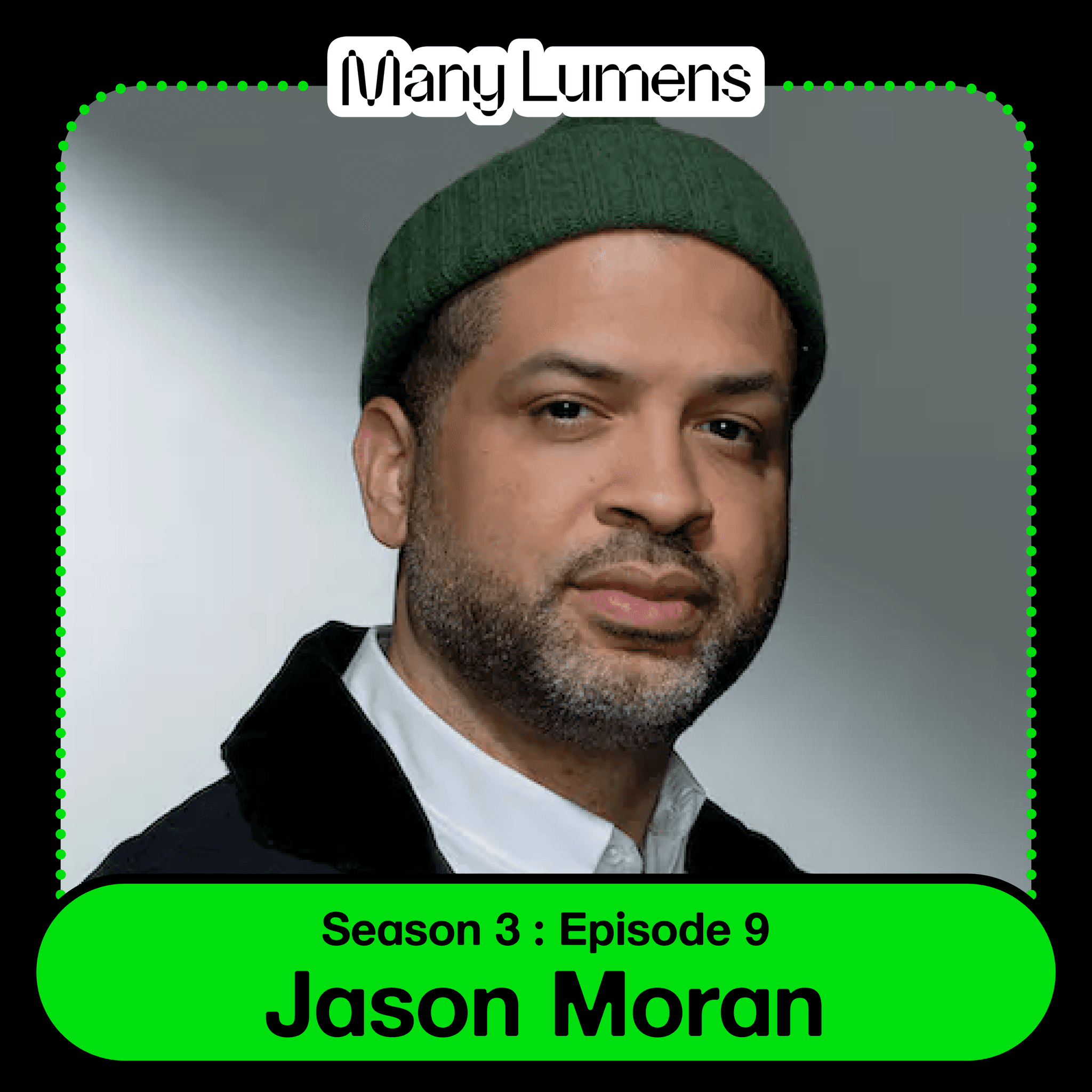
Jason Moran
Maori talks with multi-talented musician, composer, and artist Jason Moran. Jason shares his early influences growing up as a young musician in Houston—the John T. Biggers’ painting hanging in his parent’s home, Public Enemy on the radio, and Thelonious Monk’s hit song “‘Round Midnight”. We learn why he prefers to call what he does Soul Music rather than Jazz and how the destruction of Black cultural spaces pushed him to preserve that history through his art installations. Plus, Maori and Jason discuss what “mid-life” means to them.
(Season 3)
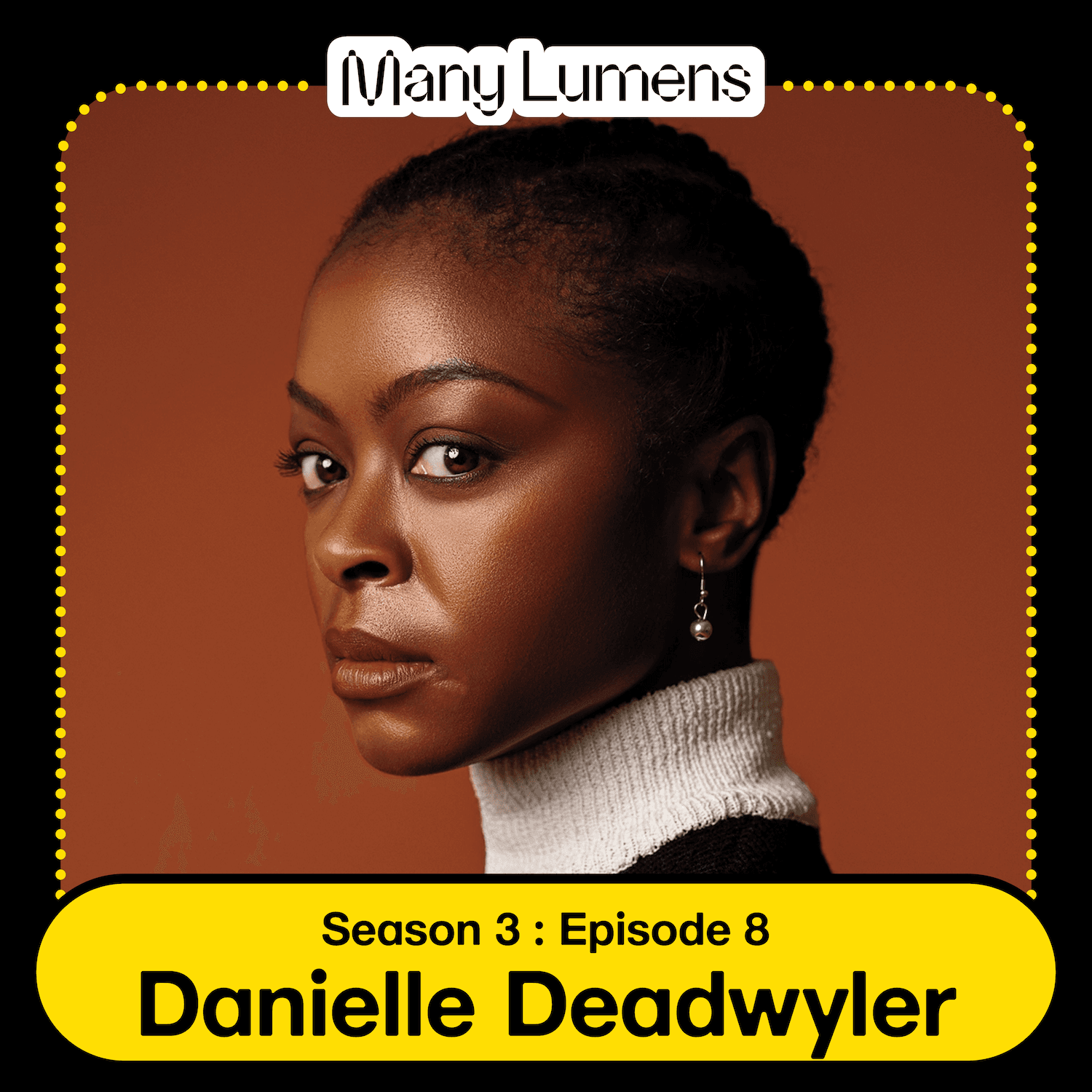
Danielle Deadwyler
Maori chats with award-winning actor and multimedia artist Danielle Deadwyler (The Harder They Fall, Till, Station Eleven). The two discuss Danielle’s experience growing up in Atlanta, her mother’s determination to give her access to the arts, and how the experiences of Black women’s labor have influenced her art and practice. Danielle also shares why theater is her favorite medium and what it’s been like to take on iconic roles on screen— including in Till and the upcoming film adaptation of August Wilson’s The Piano Lesson.
(Season 3)
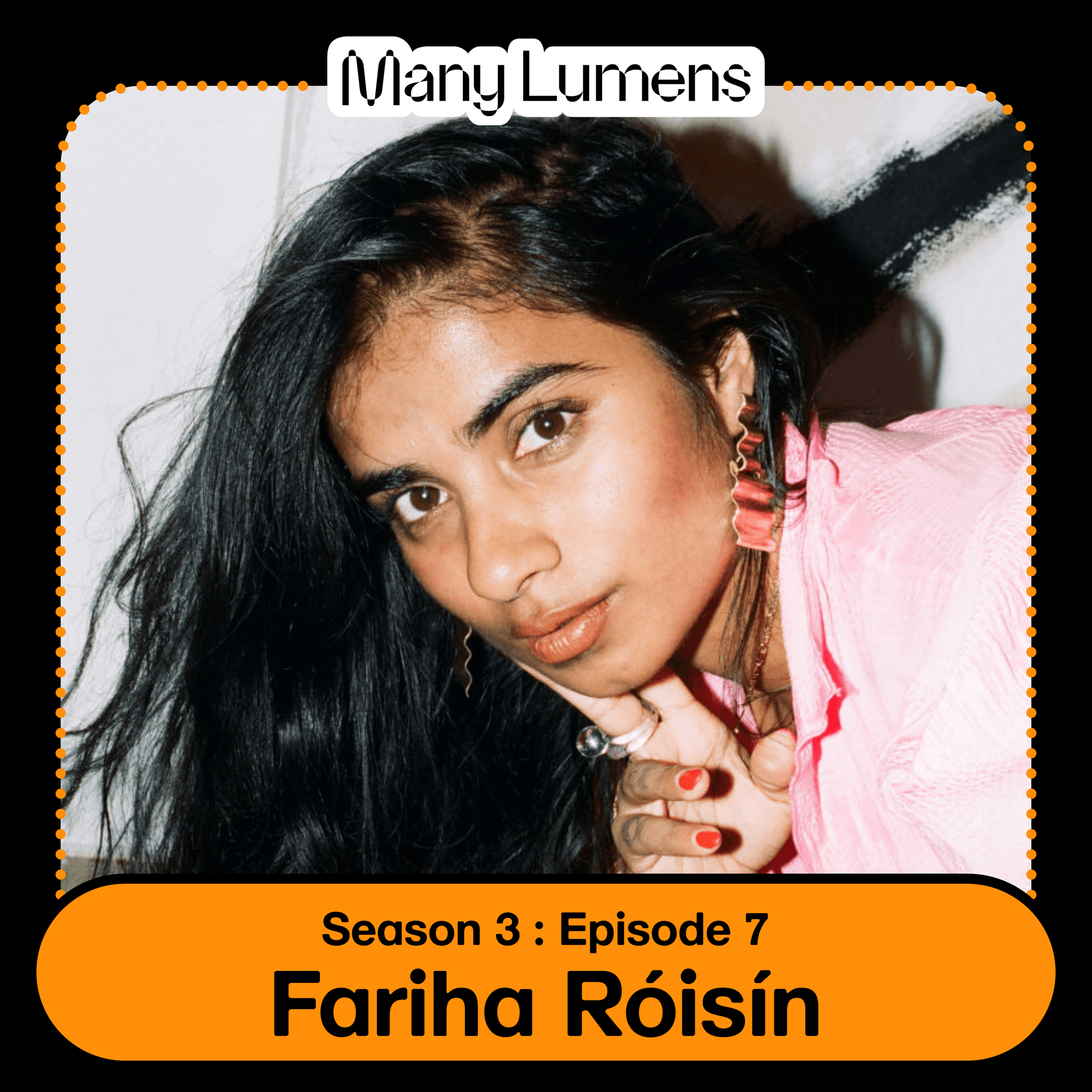
Fariha Róisín
Maori chats with multidisciplinary artist and author Fariha Roísín (Like a Bird, Who Is Wellness For?). Fariha talks about growing up Bangladeshi in Australia, what it’s like to have a Marxist parent, and her journey towards becoming more connected to her name. We also hear why poetry helps her express herself more freely––and more precisely, how she moves past fear when sharing very personal work, her definition of beauty, and why her new book (Survival Takes A Wild Imagination) is more playful than her previous writing.
A content warning to listeners, this episode mentions childhood sexual abuse and trauma.
A content warning to listeners, this episode mentions childhood sexual abuse and trauma.
(Season 3)
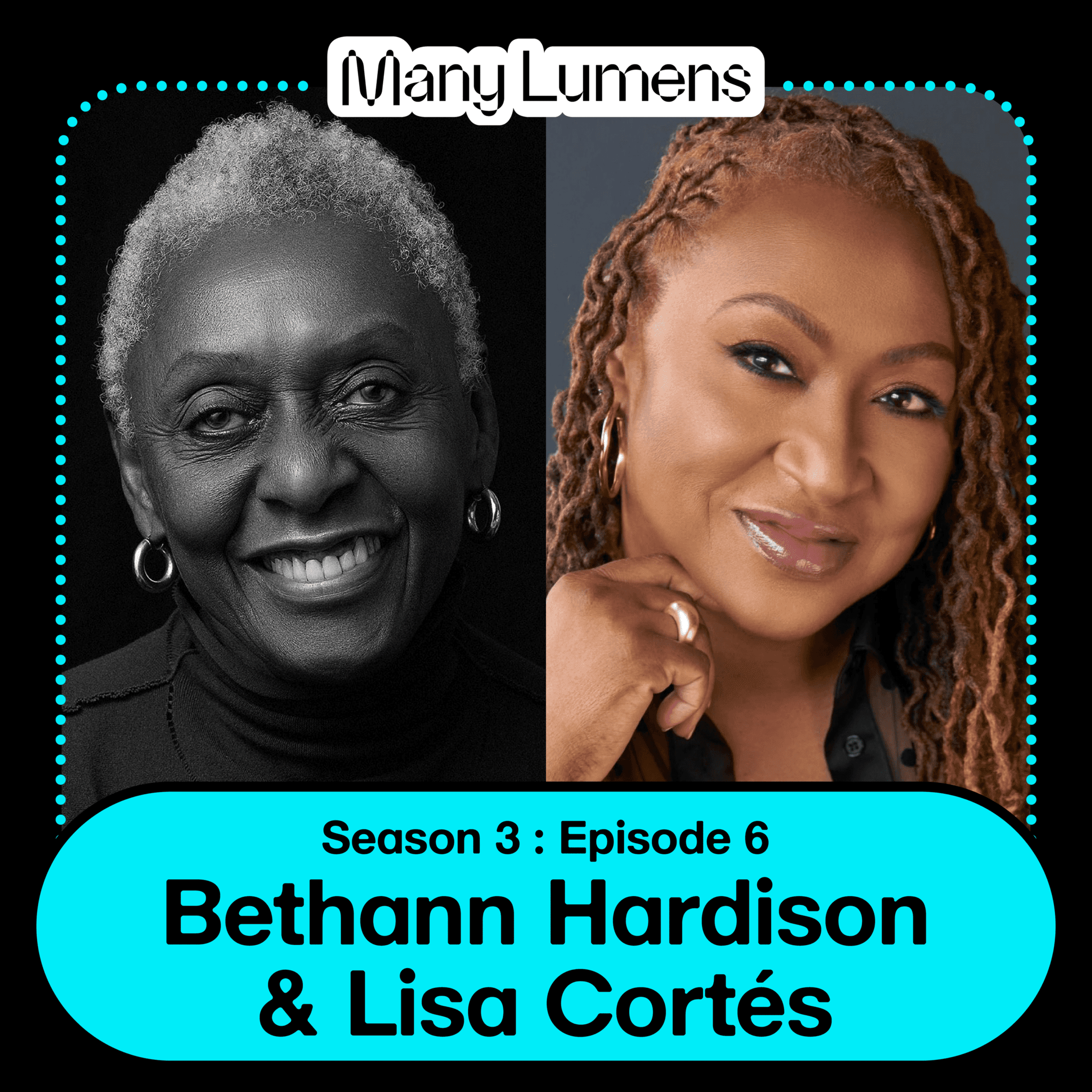
Bethann Hardison and Lisa Cortés
Maori talks with award-winning producer/director Lisa Cortés and model and advocate turned filmmaker Bethann Hardison, who worked together on the documentary Invisible Beauty, about Bethann’s life. In the episode we hear how they both got their start and navigated their trailblazing careers without roadmaps. Maori also finds out how they met in “a New York that doesn’t exist anymore” and how Bethann, a “reluctant hero,” became both the subject and co-director of the film, after decades of advocating for more diversity in the fashion world.
(Season 3)
Season 3 Returns Oct 11
Season 3 returns on Oct 11, with new episodes dropping every Wednesday through Nov 8. From Invisible Beauty 's producer Lisa Cortés and co-director Bethann Hardison, to Till actress Danielle Deadwyler, we have five exciting new conversations to dive into. Make sure you're subscribed!
(Season 3)
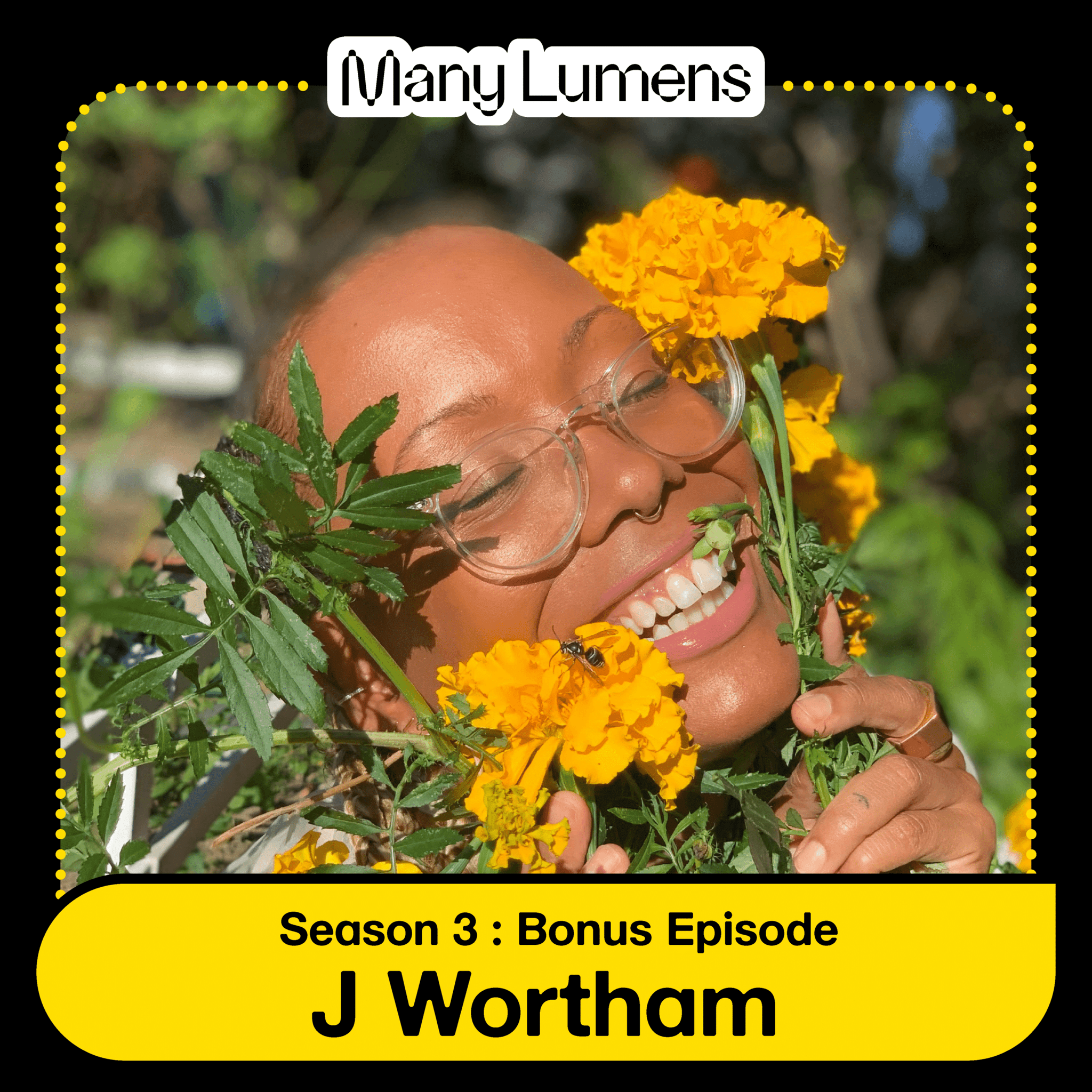
J Wortham
Bonus episode! This special episode was recorded live this summer at the 2023 BlackStar Film Festival. Maori and guest co-host, multimedia artist, Rashid Zakat interviewed NYT Magazine writer and community care worker J Wortham. The three discussed technology beyond screens and devices, the safe space created at Beyoncé’s Renaissance Tour, and J’s forthcoming book, Work of Body. And get ready for lots of astrology talk!
(Season 3)
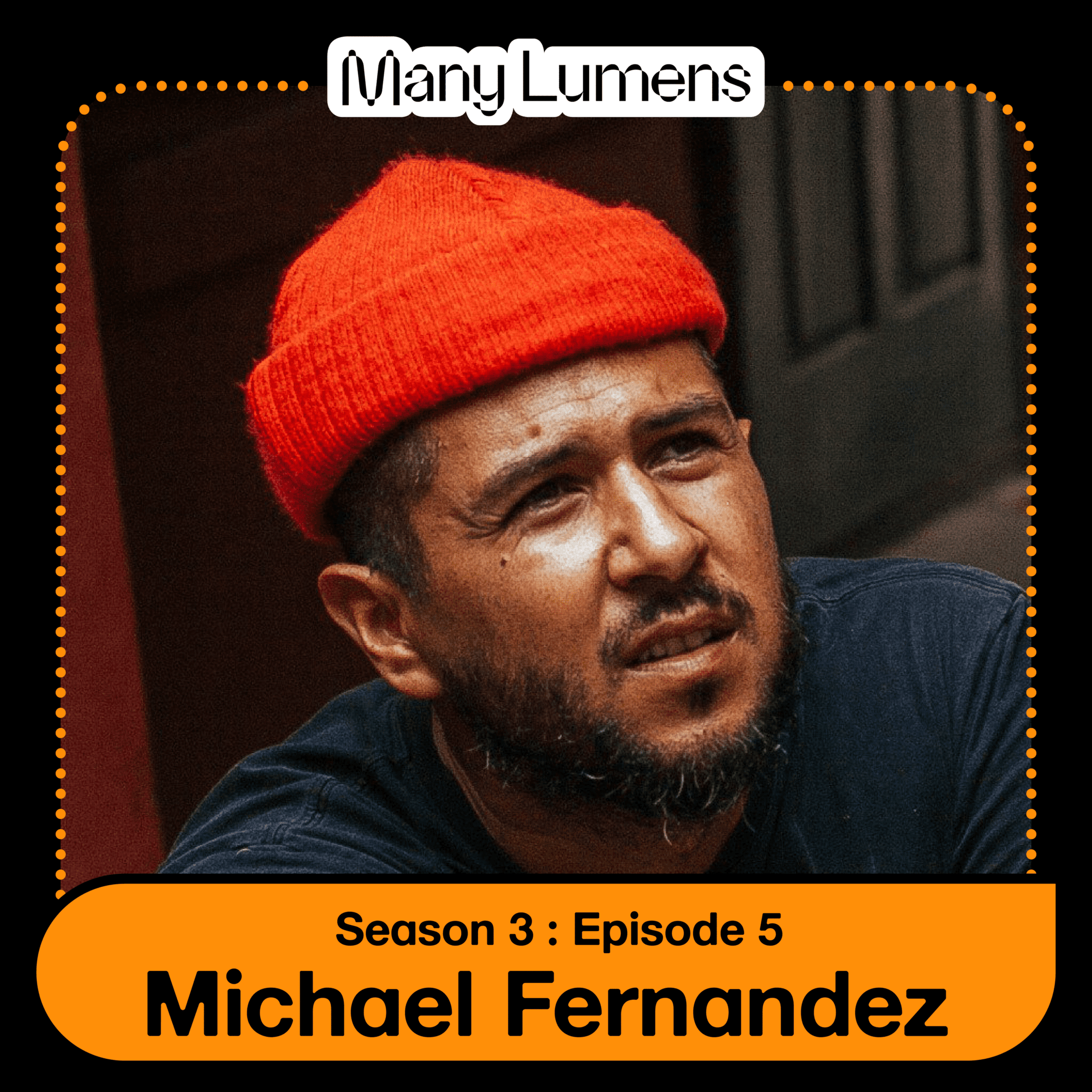
Michael “Cambio” Fernandez
Maori chats with cinematographer Michael "Cambio" Fernandez. Cambio's credits as a DP include the award-winning projects The Burial of Kojo, directed by Blitz Bazawule; Beyoncé's Black Is King; Walter Thompson-Hernandez's If I Go Will They Miss Me; and most recently, Sing J. Lee's The Accidental Getaway Driver. In this episode Cambio talks about his non-traditional path to working in film, how his spirituality is reflected on set, and what he learned touring with an indie hip-hop collective in the early aughts.
(Season 3)
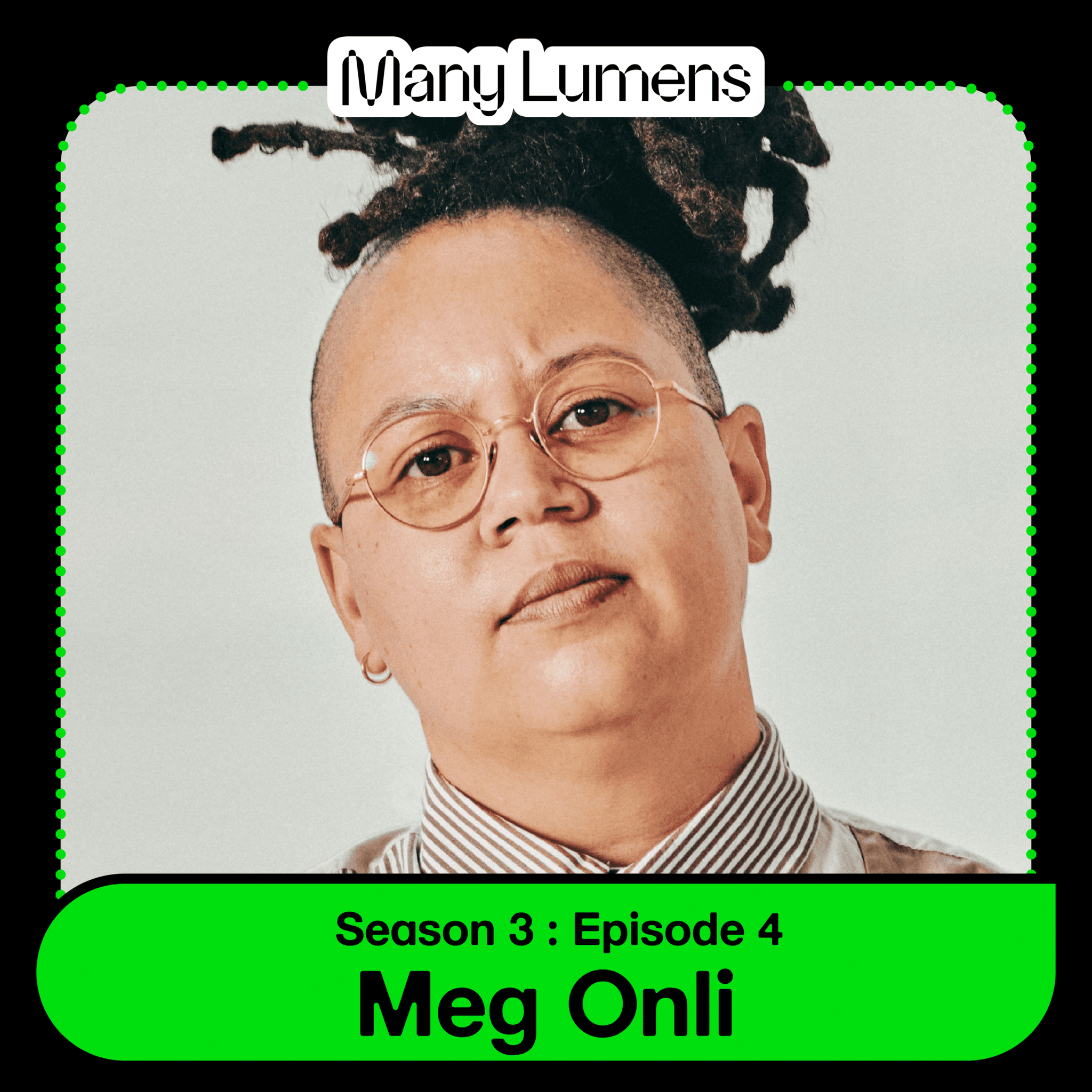
Meg Onli
Maori talks with LA-based curator and writer Meg Onli, whose work attends to the intricacies of race and the production of space. She is the co-curator of the 2024 Whitney Biennial, previously served as the director and curator of the now-shuttered The Underground Museum in Los Angeles, and was prior to that the Associate Curator at the Institute of Contemporary Art in Philadelphia. Meg tells Maori about growing up in LA, what exhibits transformed her, the curators that inspire her, and what pop culture she turns to at the end of a long day.
(Season 3)
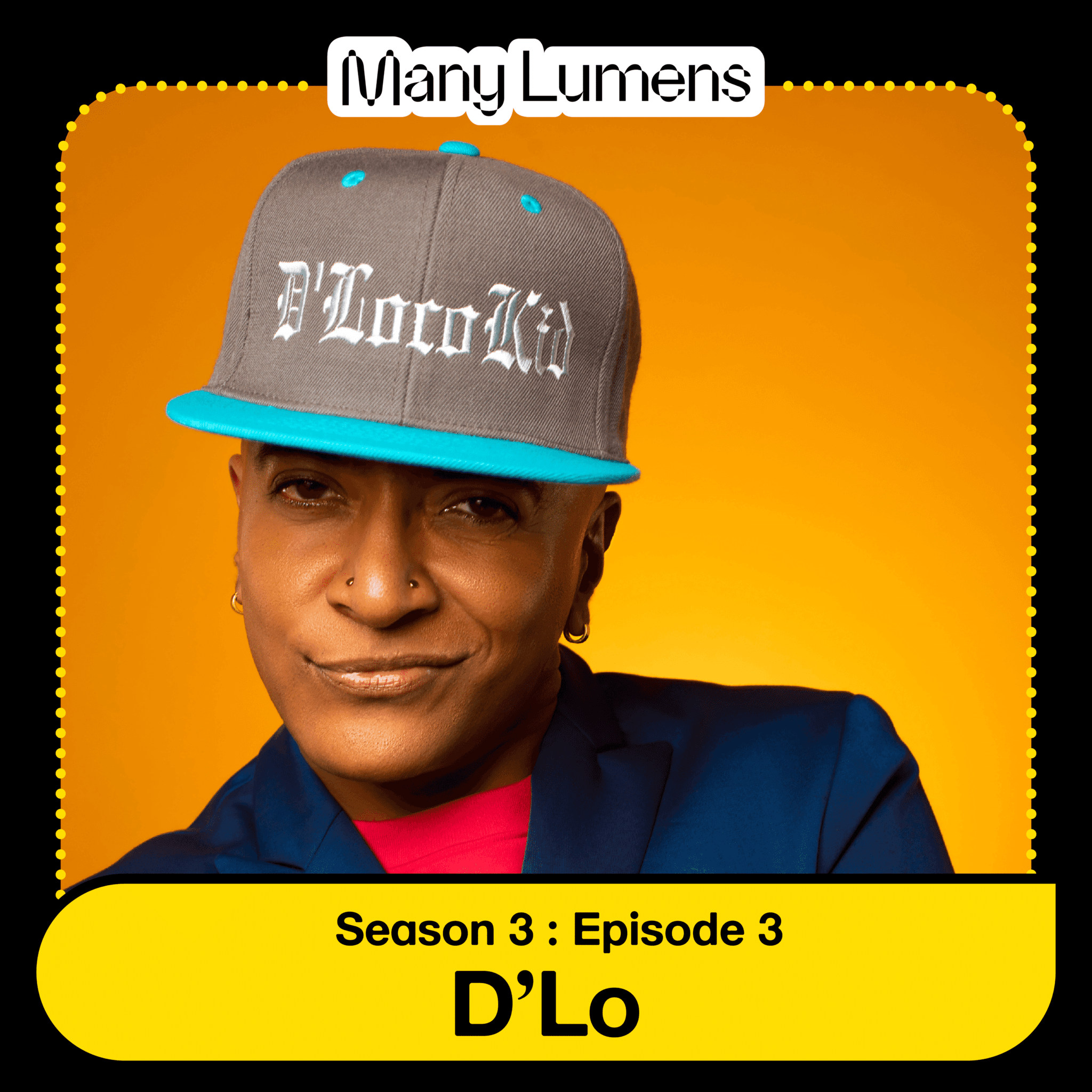
D’Lo
In this episode, Maori talks with her friend, D’Lo, a Tamil-Sri Lankan-American actor and writer who uses humor to discuss family, gender, and sexuality. Beyond his stand-up and multi-character solo shows, D’Lo has appeared on popular TV shows like Looking, Mr. Robot, Sense 8, and the new Quantum Leap. Most recently, he appeared in the feature film Bros. D’Lo shares how being trans was his first training in performance, how 1990s hip hop taught him to be outspoken, and why we should talk about what beautiful masculinity can look like.
(Season 3)
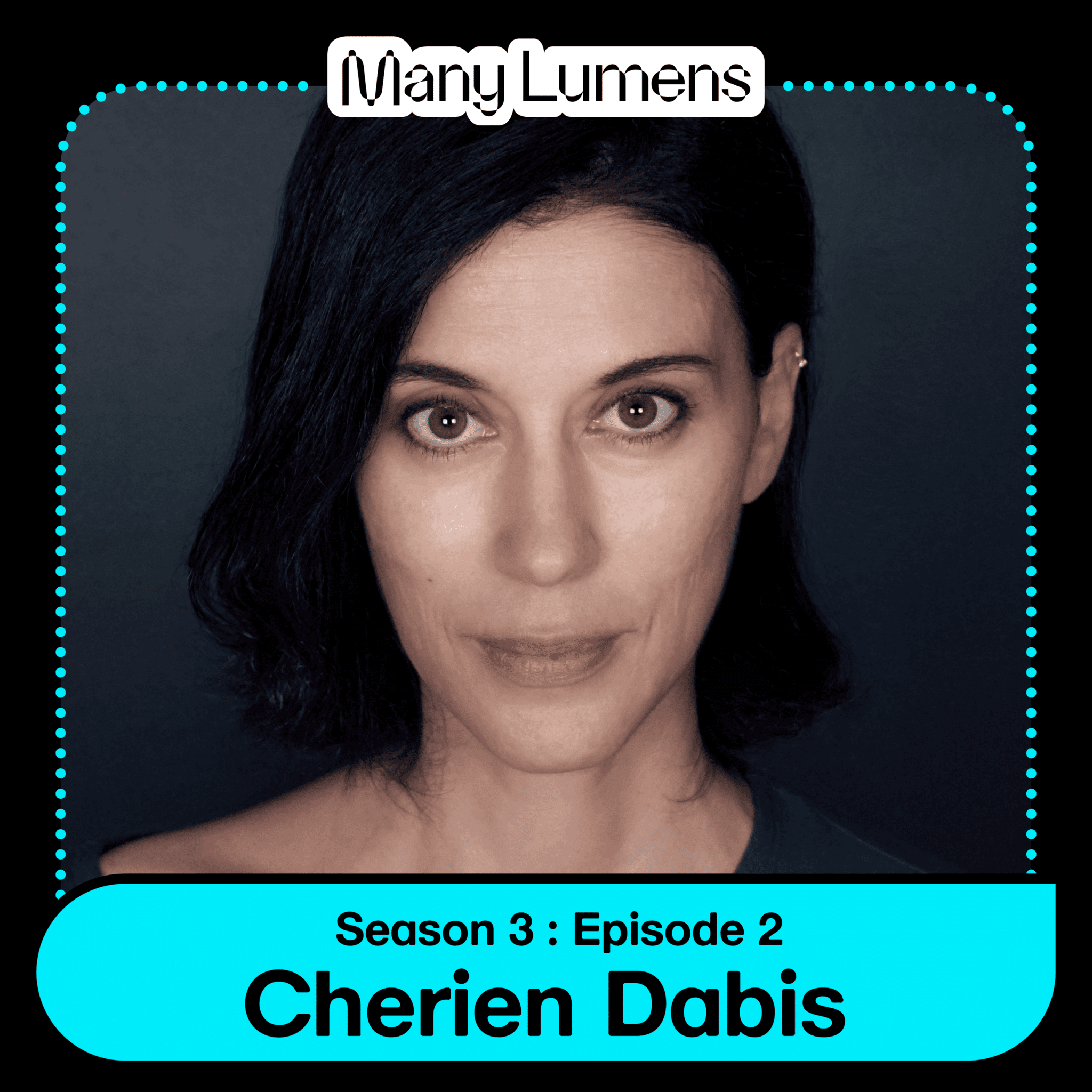
Cherien Dabis
In this episode, Maori talks with critically-acclaimed director, writer, and actor Cherien Dabis. Cherien is known for directing episodes of Only Murders In the Building, Ozark, and Ramy. In addition to her work in television, Cherien has had a prolific career as an independent filmmaker with her films May in Summer and her groundbreaking 2009 debut feature, Amreeka, which depicted the life of a Palestinian single mother in small-town Indiana. In their discussion, Cherien talks about her directing style, what she learned from the actors she has worked with, and how her experiences as the child of immigrants and an Arab woman lends a much-needed perspective to American popular media.
(Season 3)
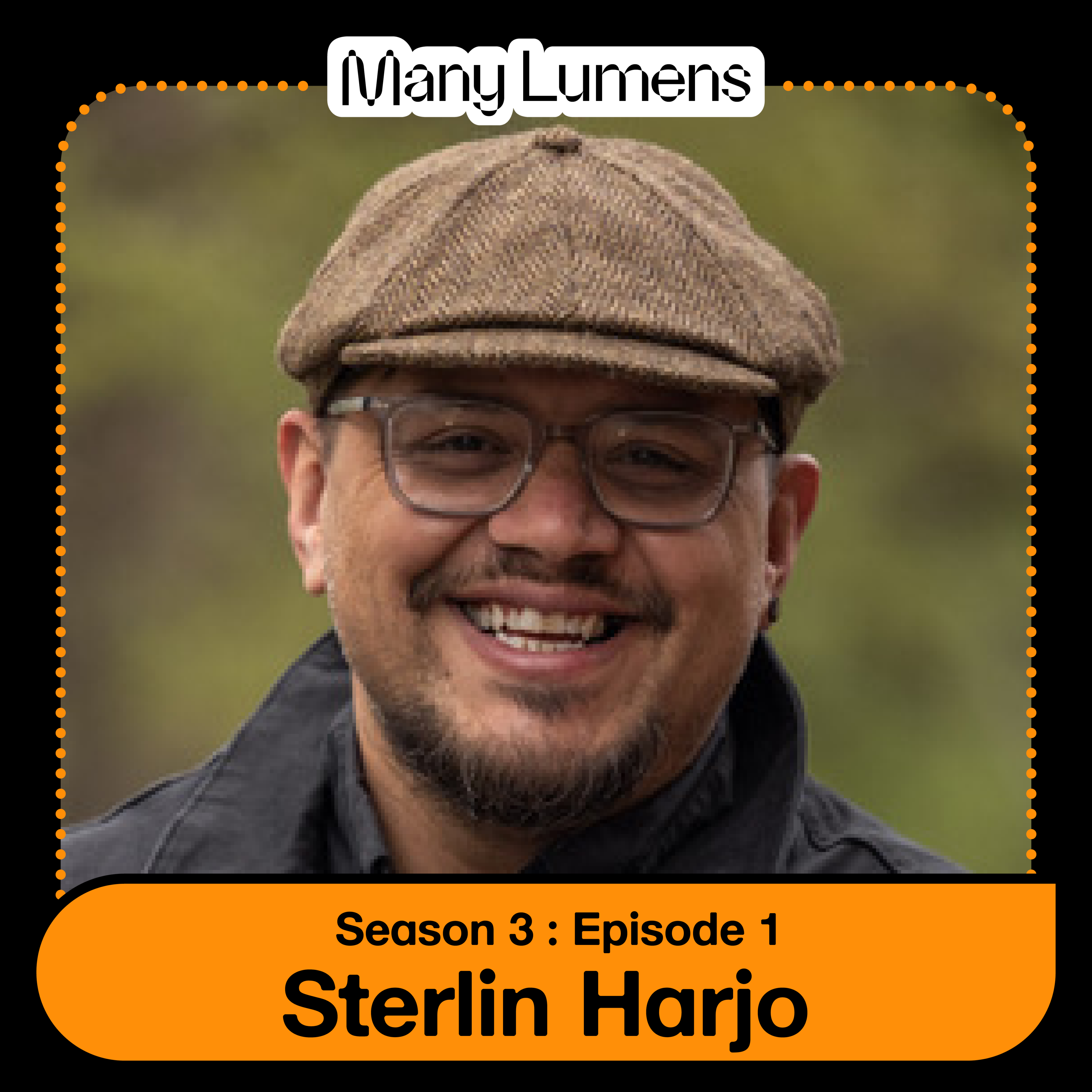
Sterlin Harjo
Maori talks with filmmaker Sterlin Harjo, the brilliant co-creator and showrunner of FX’s breakout hit Reservation Dogs. Filmed in this home state of Oklahoma, the sitcom follows the lives of four Native teenagers living on a reservation who are on a mission to head to California while dealing with the death of their friend. He is also the director of the short films Goodnight, Irene (2005) and Four Sheets to the Wind (2007), which premiered at Sundance. Maori and Sterlin discuss working in Oklahoma, how he runs his sets, and which “Rez Dog” character he most identifies with.
(Season 3)
Trailer
Everyone's talking about Season 3 of Many Lumens! Get excited for the return of the podcast — premiering April 19, 2023 — and 10 new conversations between host Maori Karmael Holmes and the most groundbreaking artists, change makers, and cultural workers.
(Season 2)
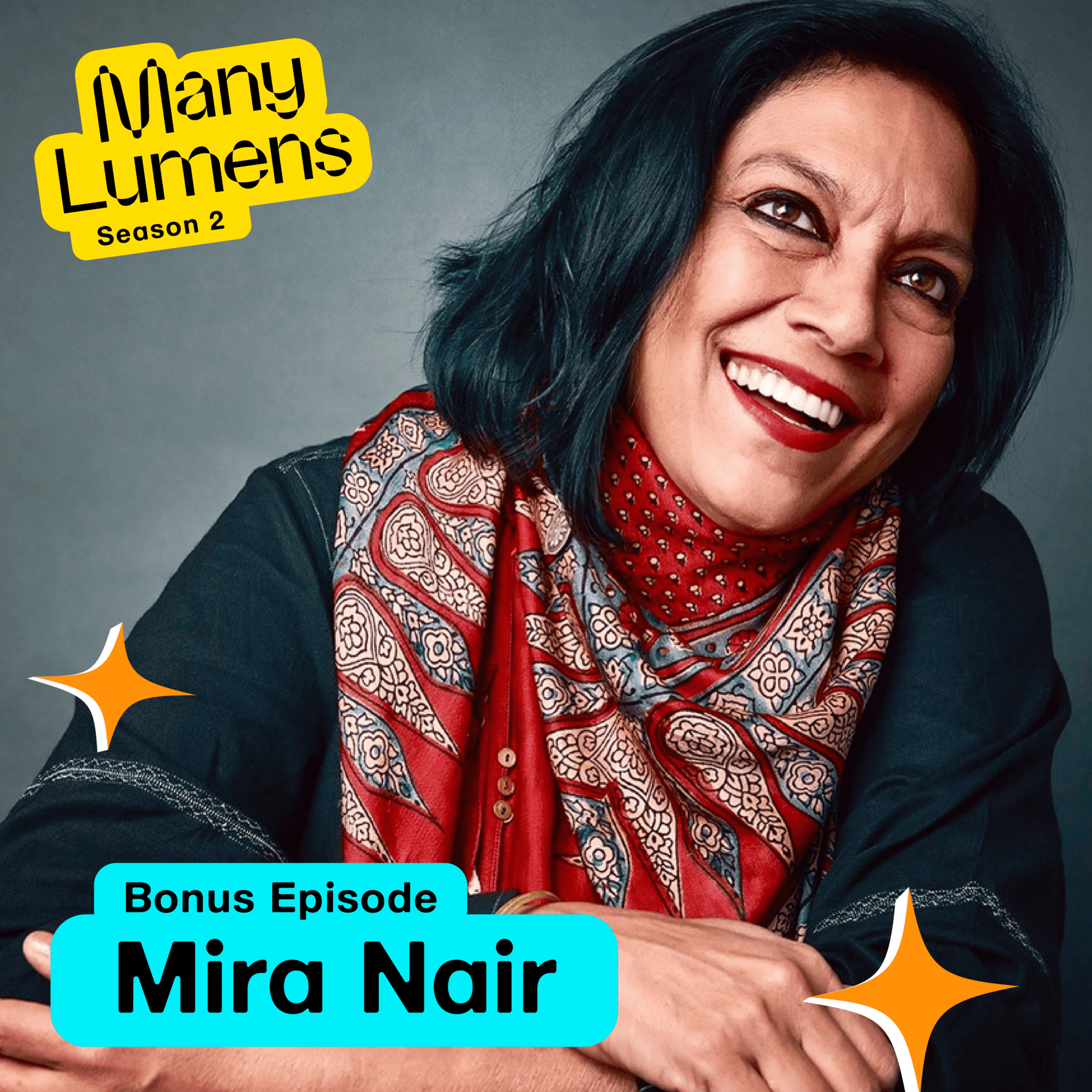
Mira Nair
Bonus Episode! Maori chats with the renowned filmmaker, activist, and this year’s Blackstar Film Festival Luminary Award Recipient, Mira Nair (Salaam Bombay!, Monsoon Wedding, The Namesake). Mira talks about her childhood, how she made her way from India to the United States to attend Harvard, and her early artistic influences including theater, photography, and cinema vérité. The two explore the relationship between film and social change, the making of her 1991 film Mississippi Masala, her experiences directing while parenting, and more.
(Season 2)
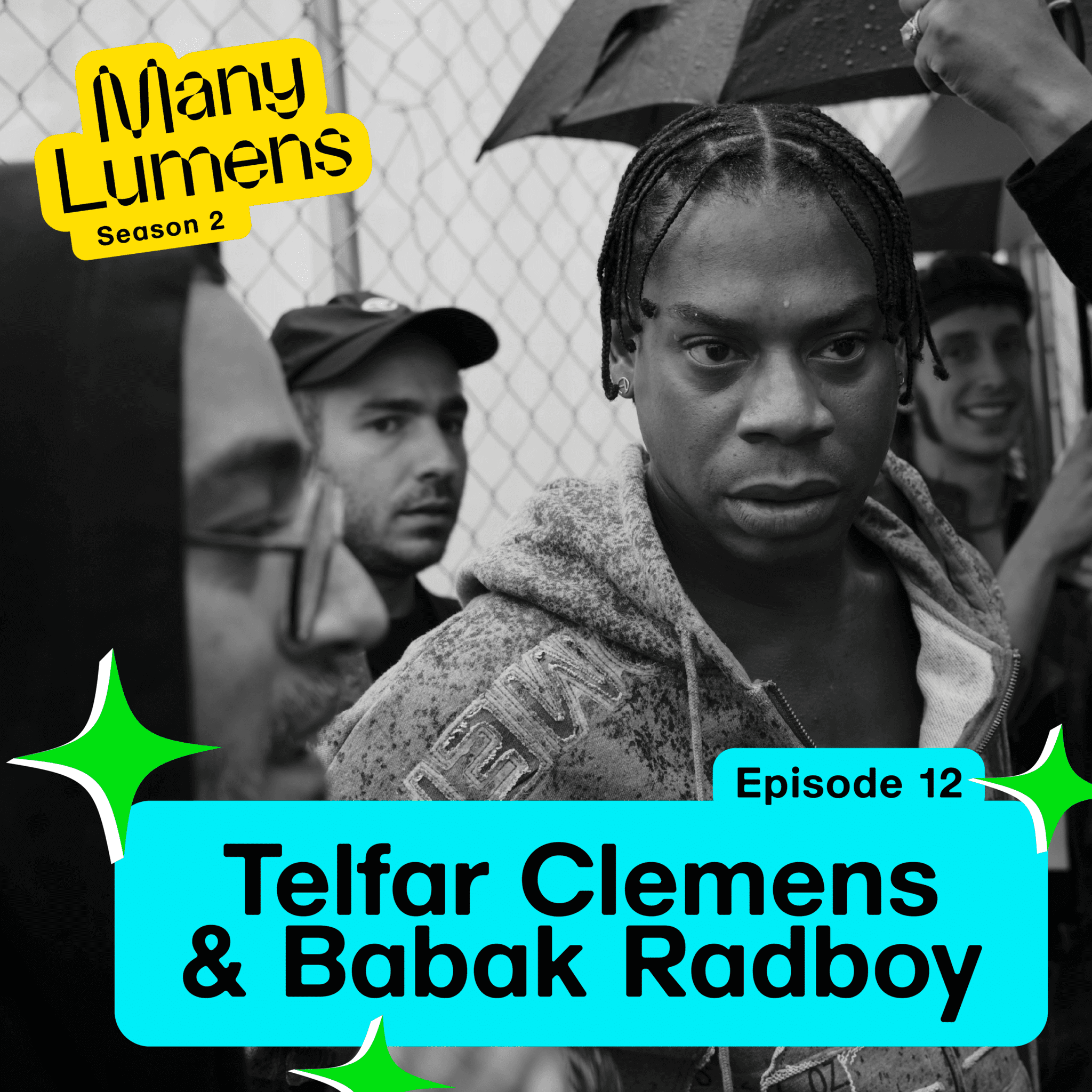
Telfar Clemens + Babak Radboy
Maori talks with fashion designer Telfar Clemens and creative director Babak Radboy, the principal forces behind the iconic TELFAR fashion label. Clemens and Radboy share their connection being 'third culture kids,' the organic nature of their creative partnership, and how they've navigated the fashion industry together. They also discuss other projects in the works, namely building out Telfar TV and potentially a Telfar physical space that "might not be what you think."
Photo by Ari Marcopoulos.
Photo by Ari Marcopoulos.
(Season 2)
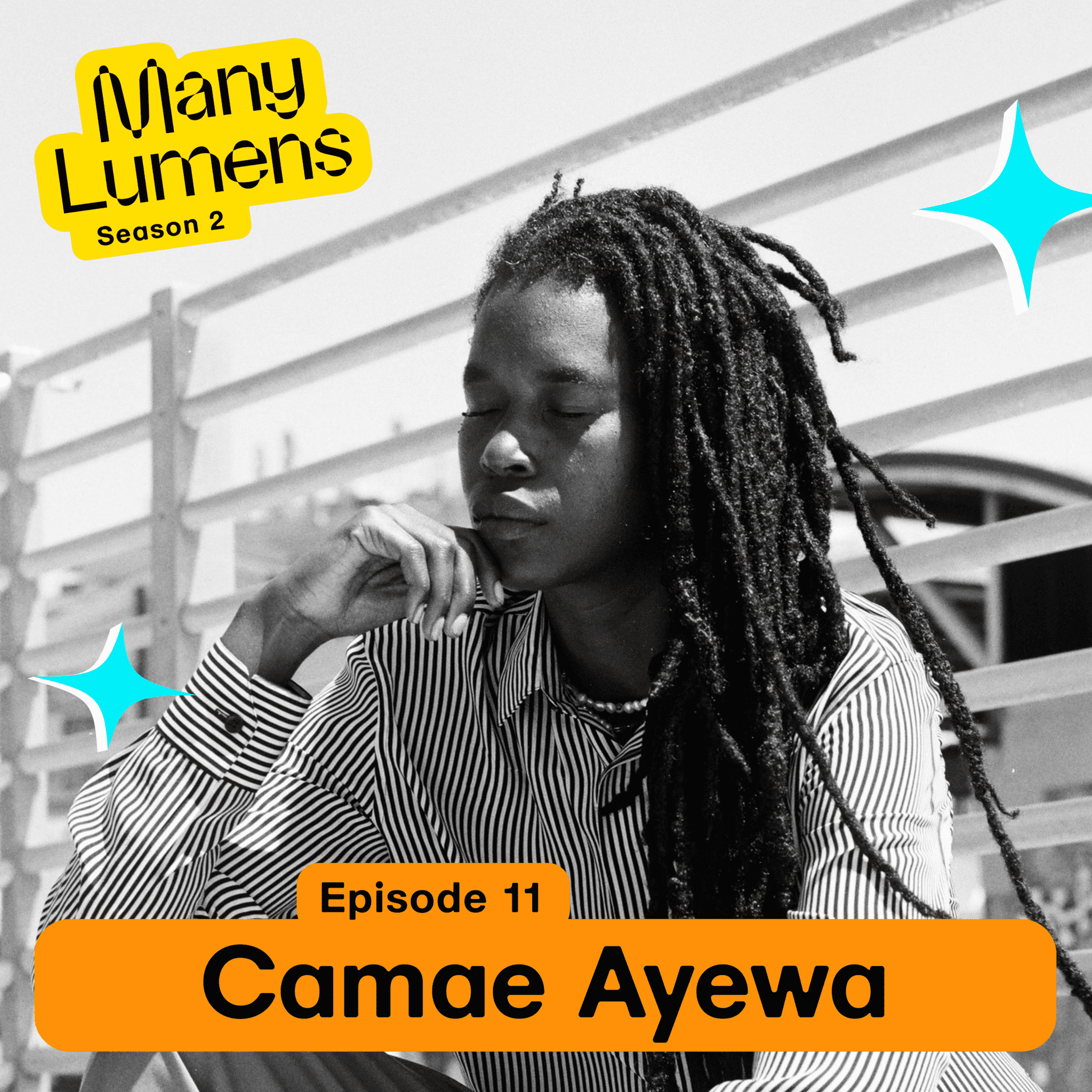
Camae Ayewa – Moor Mother
Maori chats with musician, poet, artist, cultural worker, and professor Camae Ayewa, also known by her stage name Moor Mother. Camae talks about her early life growing up in Aberdeen, Maryland and her formative influences. They also discuss her journey as an artist, from her early days performing in Philly’s underground music scene to her successful solo project, bands, and involvement in the Black Quantum Futurism Collective. Camae is truly an inspiration to all creatives, as she pushes the bounds of experimentation and reminds us of the importance of comfort with the journey.
(Season 2)
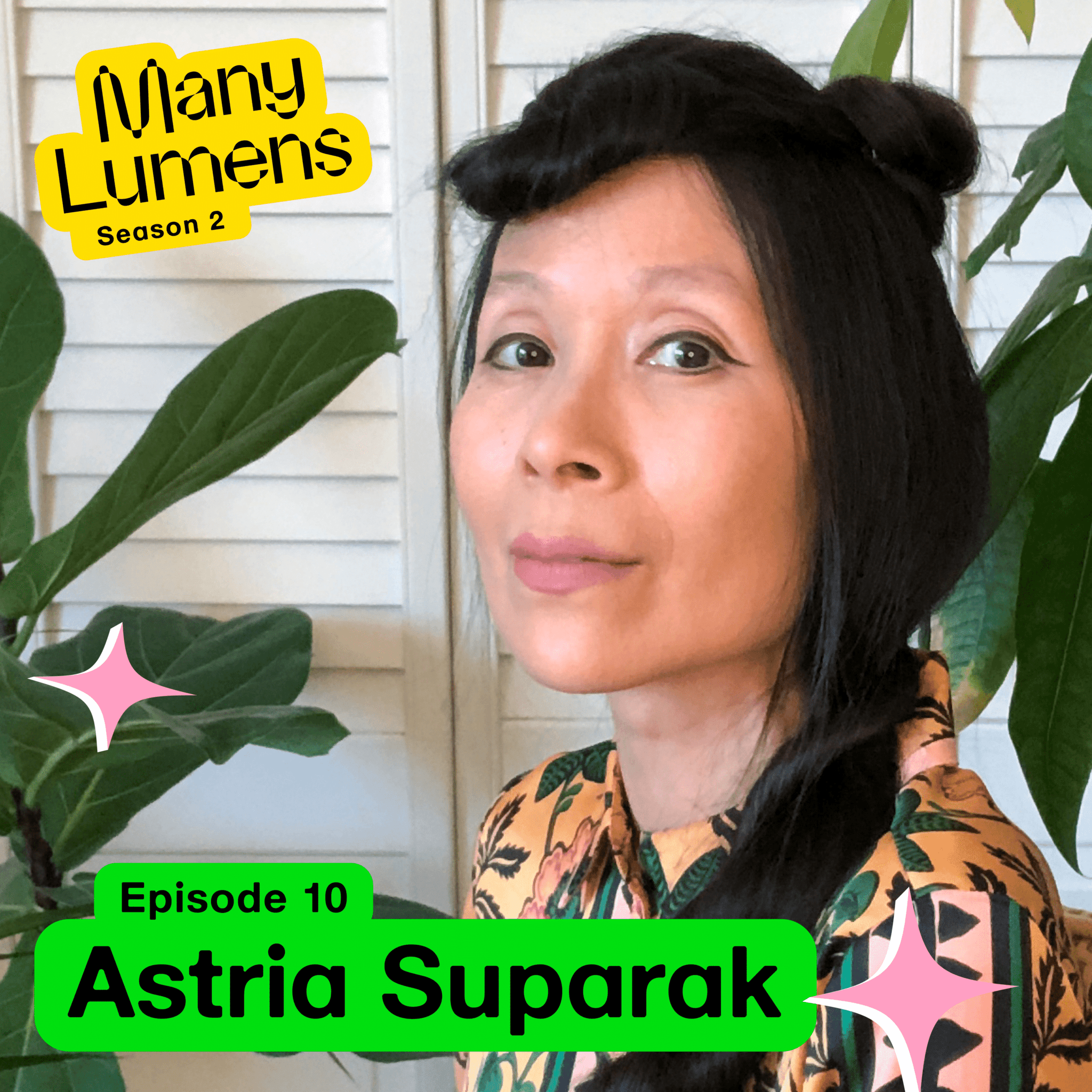
Astria Suparak
Maori talks with Oakland-based, artist, writer, and curator, Astria Suparak. Astria’s curated exhibitions, screenings, and performances have appeared at art institutions and festivals worldwide, as well as far more unconventional spaces, including roller skating rinks, sports bars, and rock clubs. In their conversation they talk about her introduction to Riot Grrrl culture as a teen and the intellectual through line from her punk rock beginnings to her work now. They also discuss her recent project Asian Futures, Without Asians, a visual analysis of over half a century of American science fiction cinema.
(Season 2)
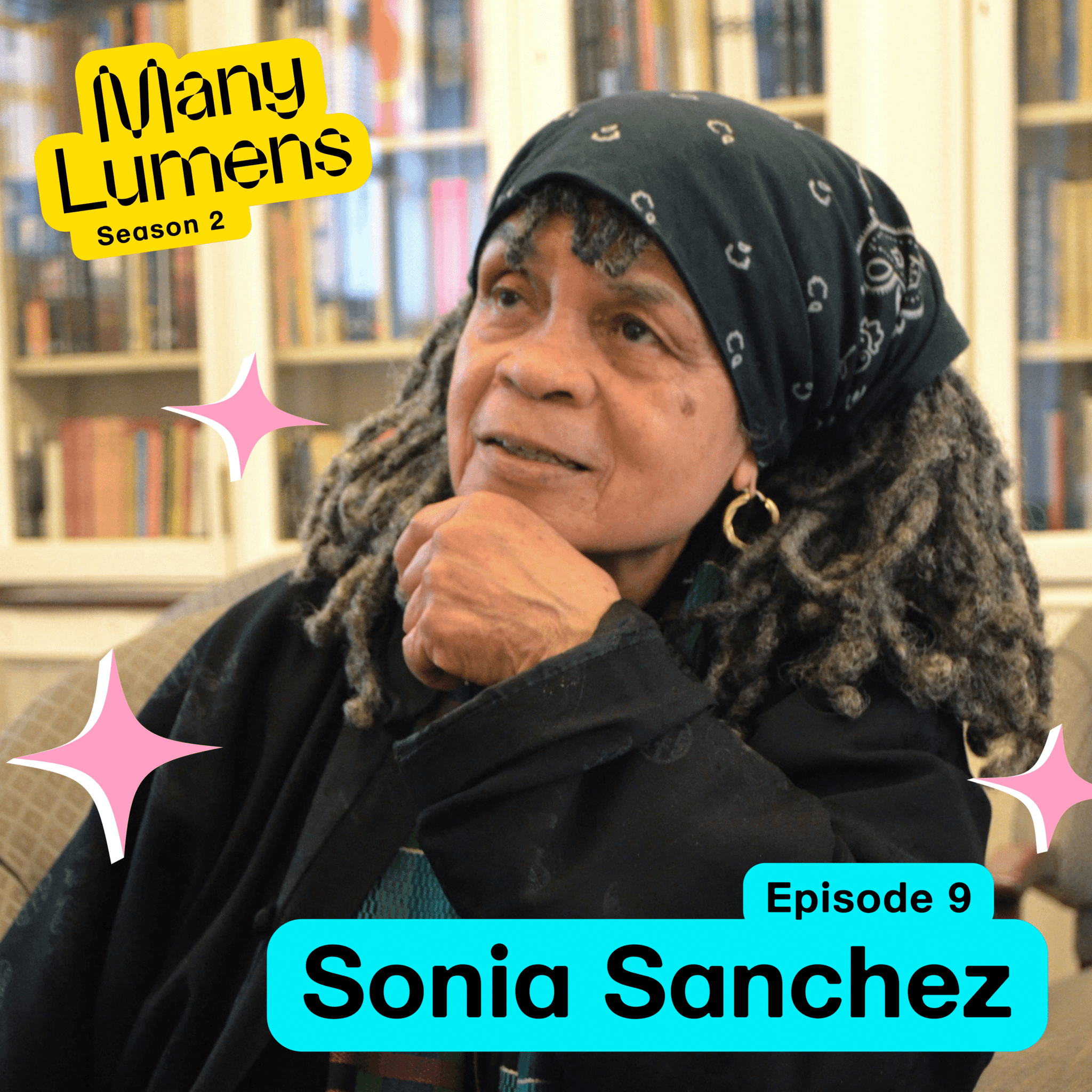
Sonia Sanchez
Maori chats with poet, activist, mother, and professor Sonia Sanchez (Homecoming, We a Baddddd People, Homegirls and Handgrenades, Morning Haiku). Sister Sonia’s accomplishments are vast and include being named Philadelphia's first poet laureate in 2012, receiving the first Presidential Fellow at Temple University, and most recently being awarded the Dorothy and Lillian Gish Prize. Maori and Sister Sonia discuss struggle, love, and loss. Sister Sonia talks about her experiences as a young adult in New York, how the form of haiku has influenced her life, and the balancing act of raising children while maintaining her artistic practice.
(Season 2)
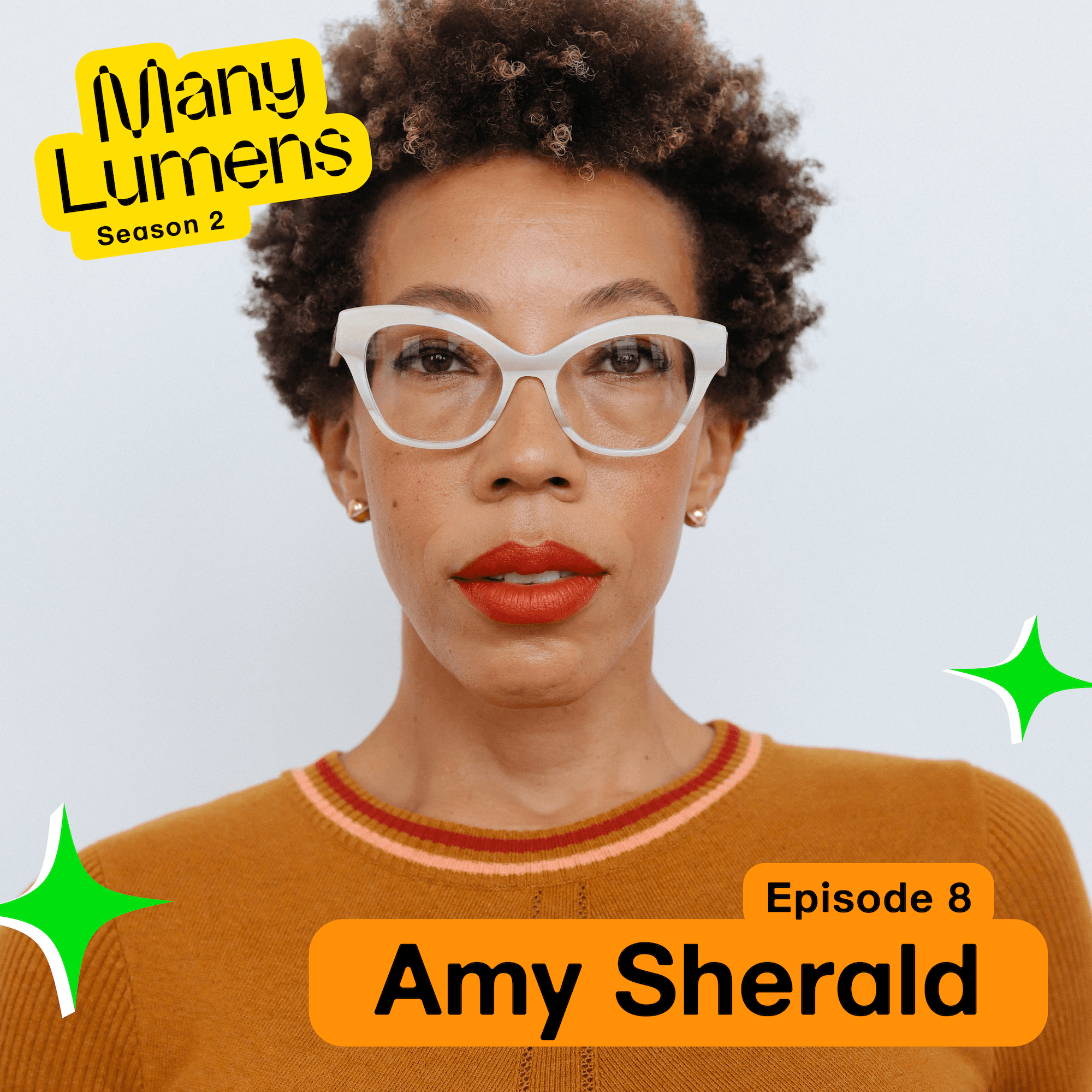
Amy Sherald
Maori chats with renowned painter Amy Sherald, who documents contemporary Black American experiences through otherworldly figurative paintings. Amy talks about what life was like for her growing up in a small Southern city and her process of self-exploration and honing her craft. They discuss the nuances of her artistic practice, career trajectory, and what life has been like since the release of her portrait of Michelle Obama. They also explore a question we all want to know – when is Amy going to paint a portrait of Maori?
(Season 2)
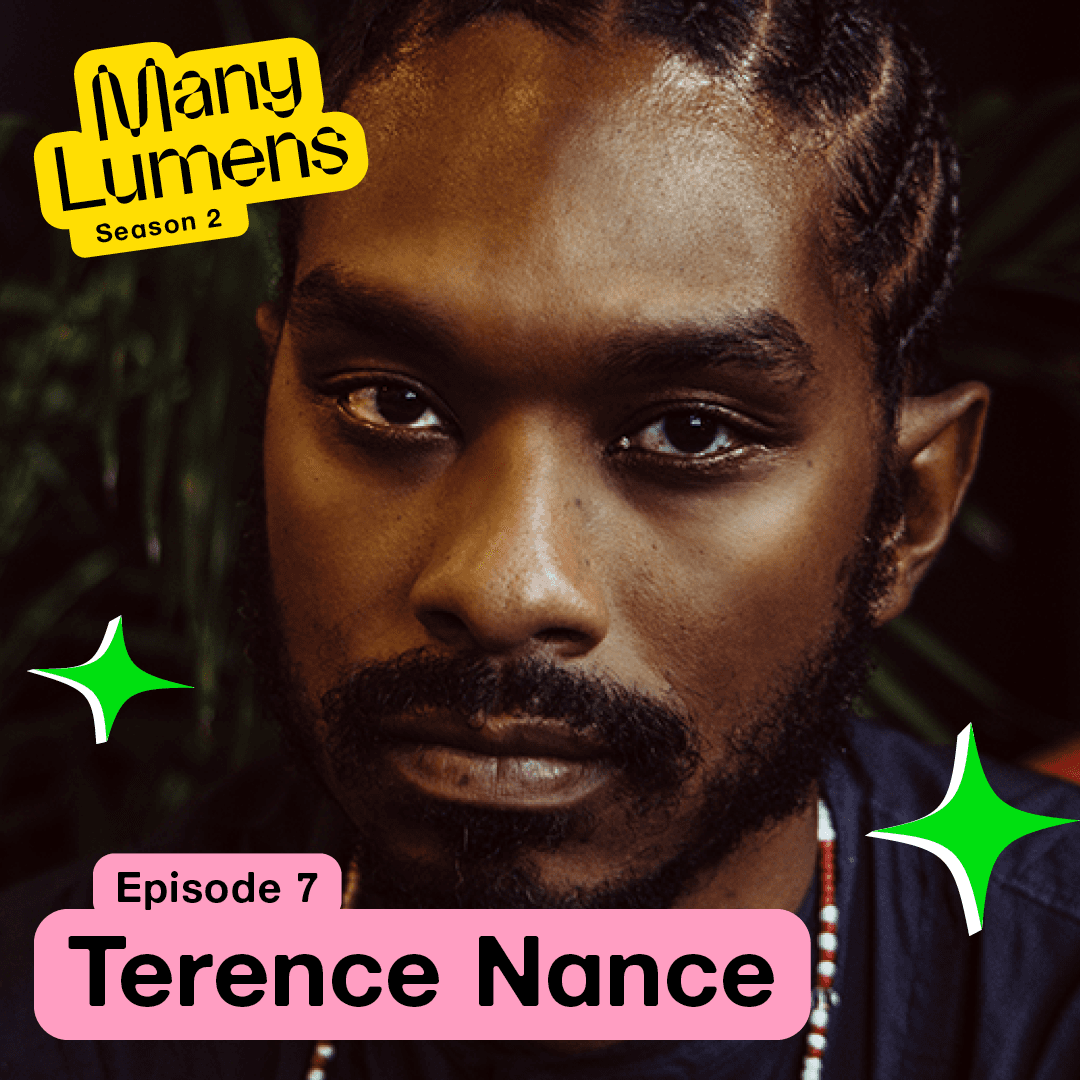
Terence Nance
Maori and guest co-host Rashid Zakat chat with their friend, artist, musician, and filmmaker Terence Nance (An Oversimplification of Her Beauty, Random Acts of Flyness). The three talk about Terence’s childhood and the long term impact of growing up in a family of creatives, drawing inspiration from love, and the importance of community for Black artists.
(Season 2)
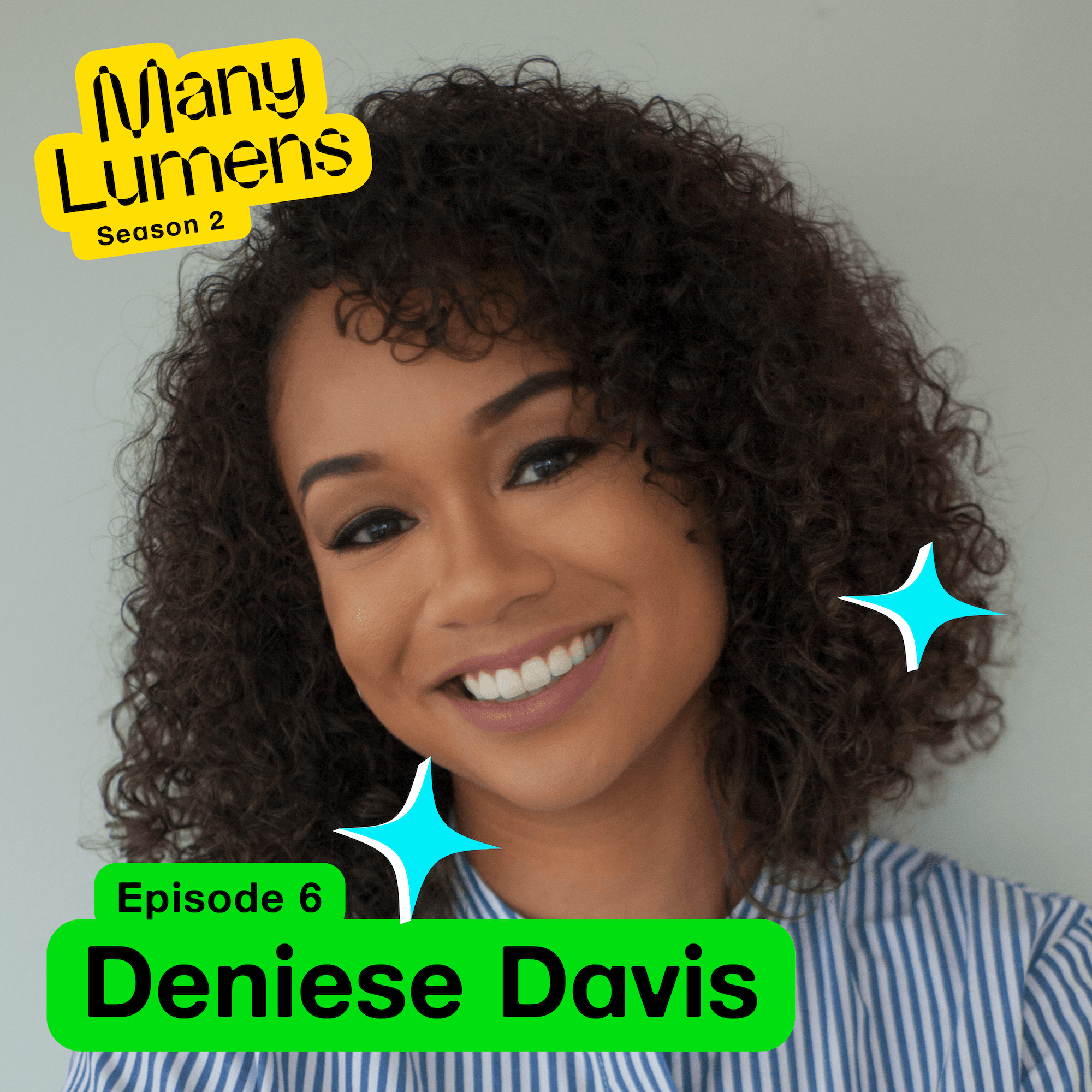
Deniese Davis
Maori chats with powerhouse producer Deniese Davis (Insecure, A Black Lady Sketch Show), founder of two media companies — Color Creative and Reform Media Group — that seek to uplift and champion Black and brown voices. In their conversation, Deniese shares her journey from being a rising basketball star to helping to shepherd the cultural phenomenon that was Issa Rae’s Insecure. They also discuss finding work-life balance and their shared passion for musicals.
(Season 2)
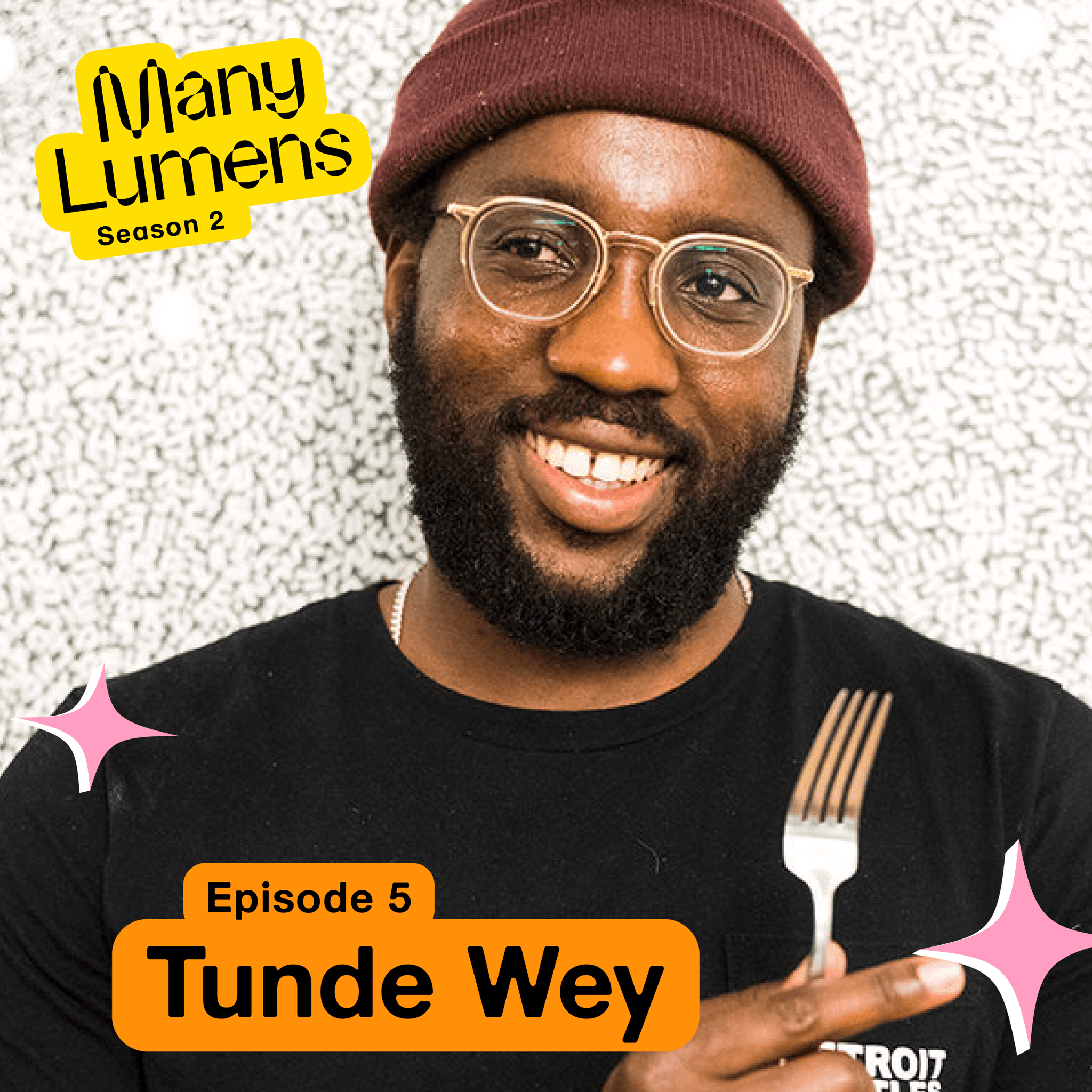
Tunde Wey
Maori chats with writer, artist, and chef Tunde Wey, known for his gastronomic projects that critically poke fun at and examine gentrification, economic inequality and the enduring neo-colonial politics of food today. Tunde shares how stepping out of family expectations of success is a full circle process, and discusses what it’s like being back home in Nigeria. They talk about how his understanding of Black Atlantic food culture has evolved from his time in Detroit and New Orleans, and how he still owes Maori a husband.
(Season 2)
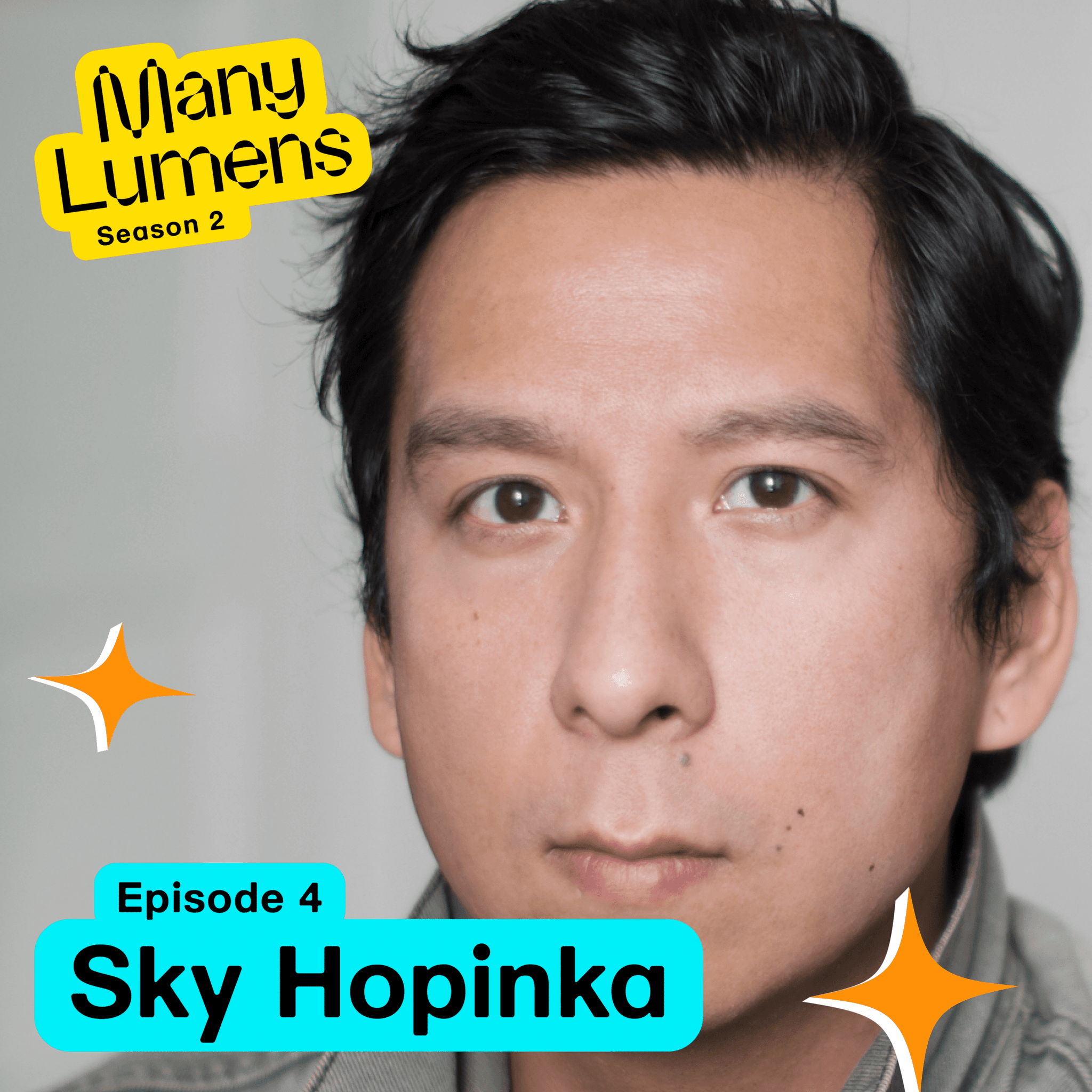
Sky Hopinka
Maori chats with visual artist, filmmaker, writer, and photographer Sky Hopinka, director of maɬni – towards the ocean, towards the shore and a co-founder of the Indigenous film collective COUSIN. They discuss creating work that isn’t beholden to whiteness and the impact his family has had on his artistic practice. The two also get into what it means to protect and nurture space for those you hold closest and the nuances of charging white people to take your photograph.
(Season 2)
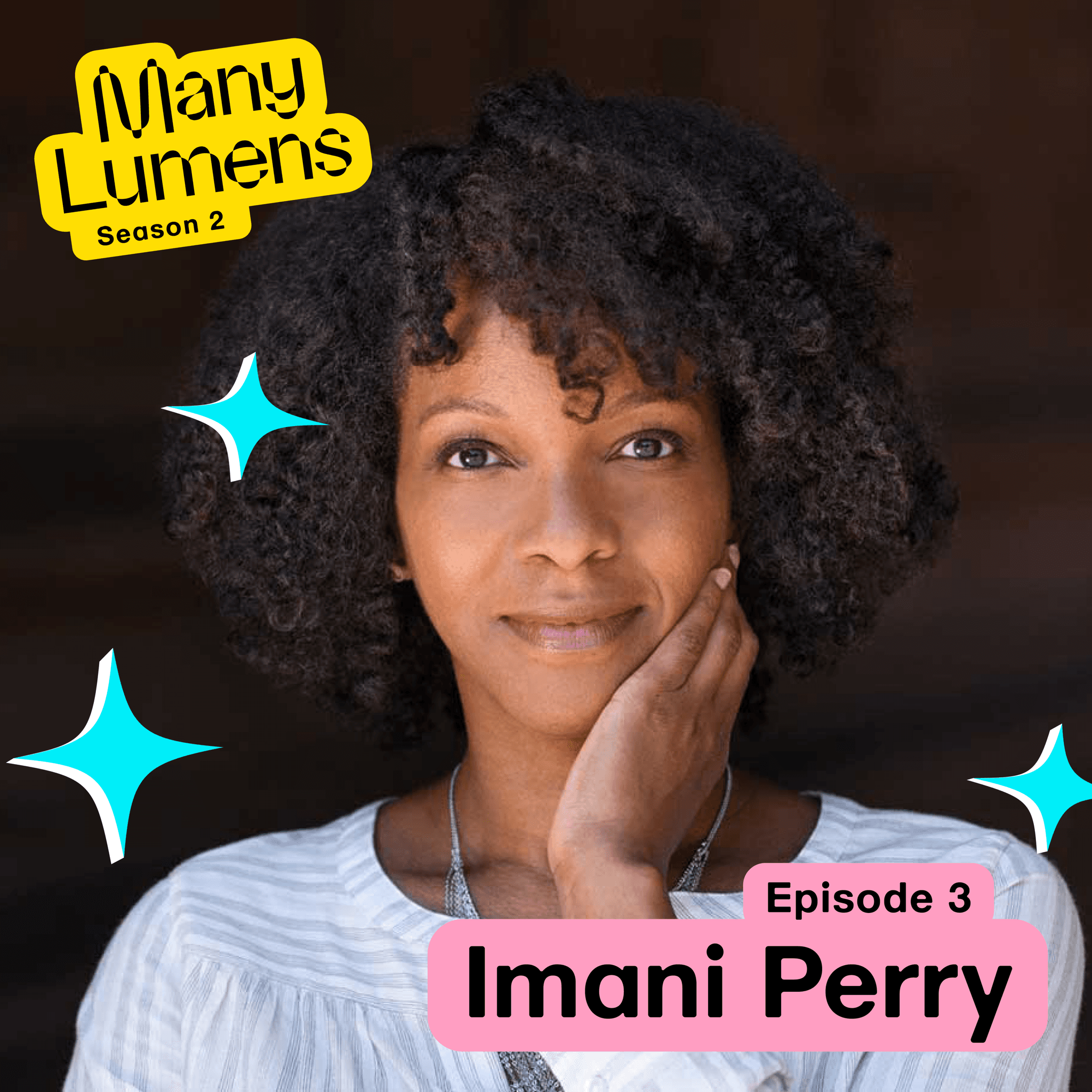
Imani Perry
In this episode, Maori talks with Princeton African American Studies Professor and prolific author Imani Perry (South to America: A Journey Below the Mason-Dixon to Understand the Soul of a Nation). The two talk about shared geographies and discuss how the places they belong to have shaped who they’ve become. They get into Imani’s commitment to beauty, her family, and the intellectual tradition she inherited from her grandmother. And finally, Maori and Imani bond over being migrant weirdos.
(Season 2)
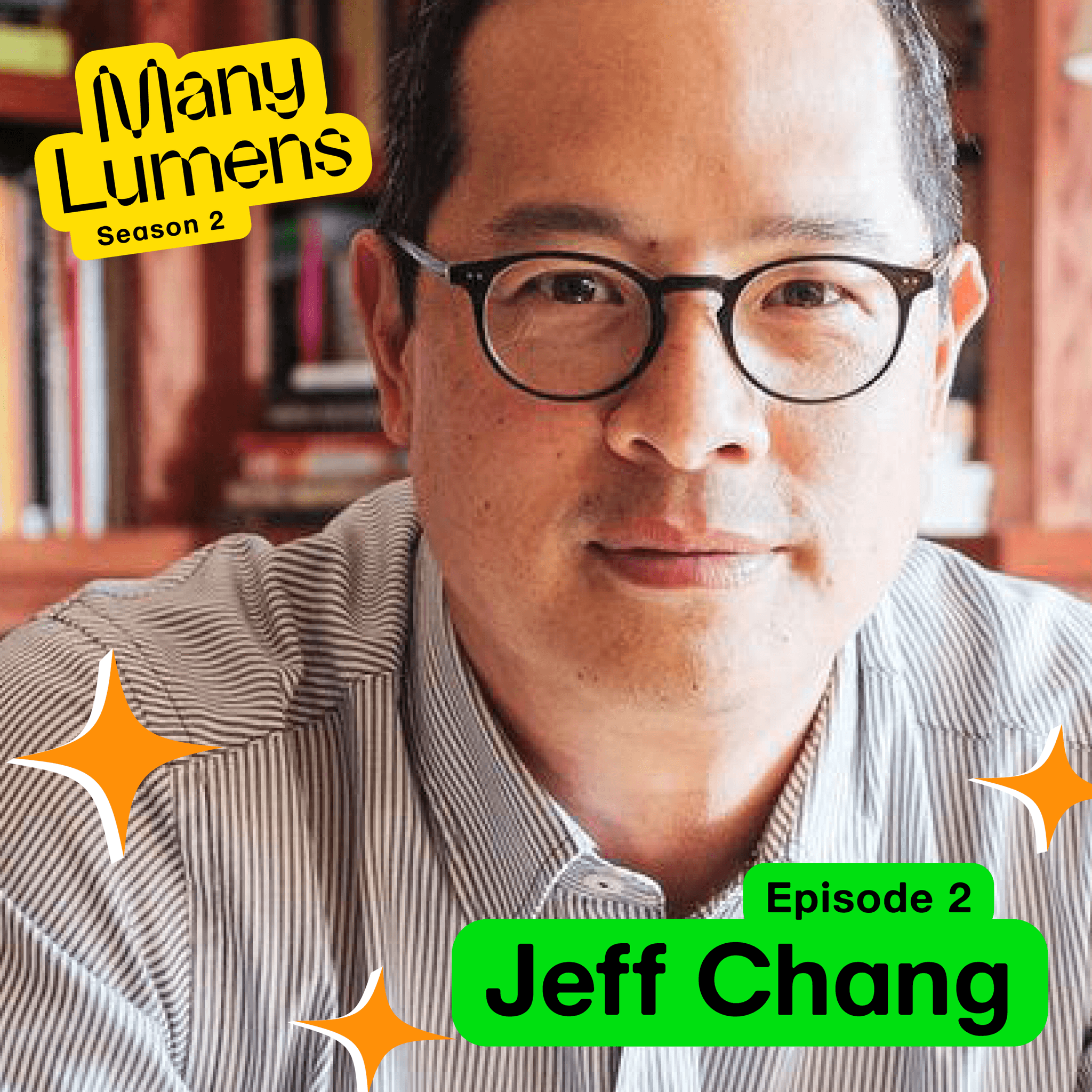
Jeff Chang
Maori chats with kindred spirit and prolific writer Jeff Chang, author of Can’t Stop Won’t Stop: A History of the Hip-Hop Generation. In their conversation they time travel back to the 80’s and 90’s, looking at how hip-hop transformed their politics and shaped their outlooks on the world. They also discuss how to learn from failure, Black and Asian solidarity, and the significance of chosen family.
(Season 2)
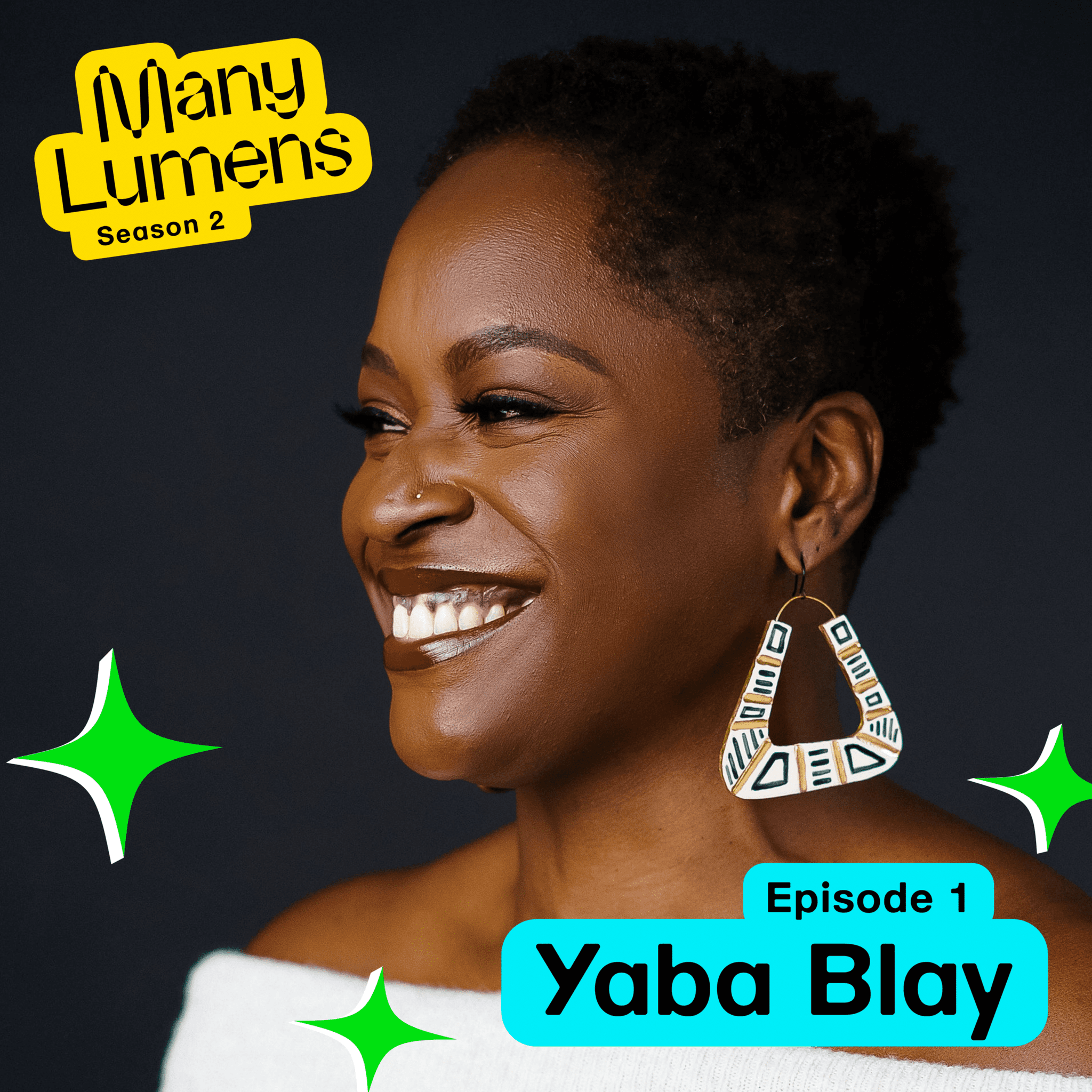
Yaba Blay
Maori sits down with close friend Dr. Yaba Blay, a producer, professor, cultural consultant, self-described “maroon academic,” and author of the award-winning book, One Drop: Shifting the Lens on Race. The two discuss beauty and the pressures Black women face to conform, how to step out of the isolation and rigidity of the academy, and finding your way through time and geography.
(Season 2)
Trailer
A sneak peek at Season 2 of Many Lumens with Maori Karmael Holmes.
Produced by BlackStar Projects, this season premieres May 11, 2022 and will feature 12 new conversations with the most groundbreaking artists, change makers, and cultural workers in the game.
Produced by BlackStar Projects, this season premieres May 11, 2022 and will feature 12 new conversations with the most groundbreaking artists, change makers, and cultural workers in the game.
(Season 1)
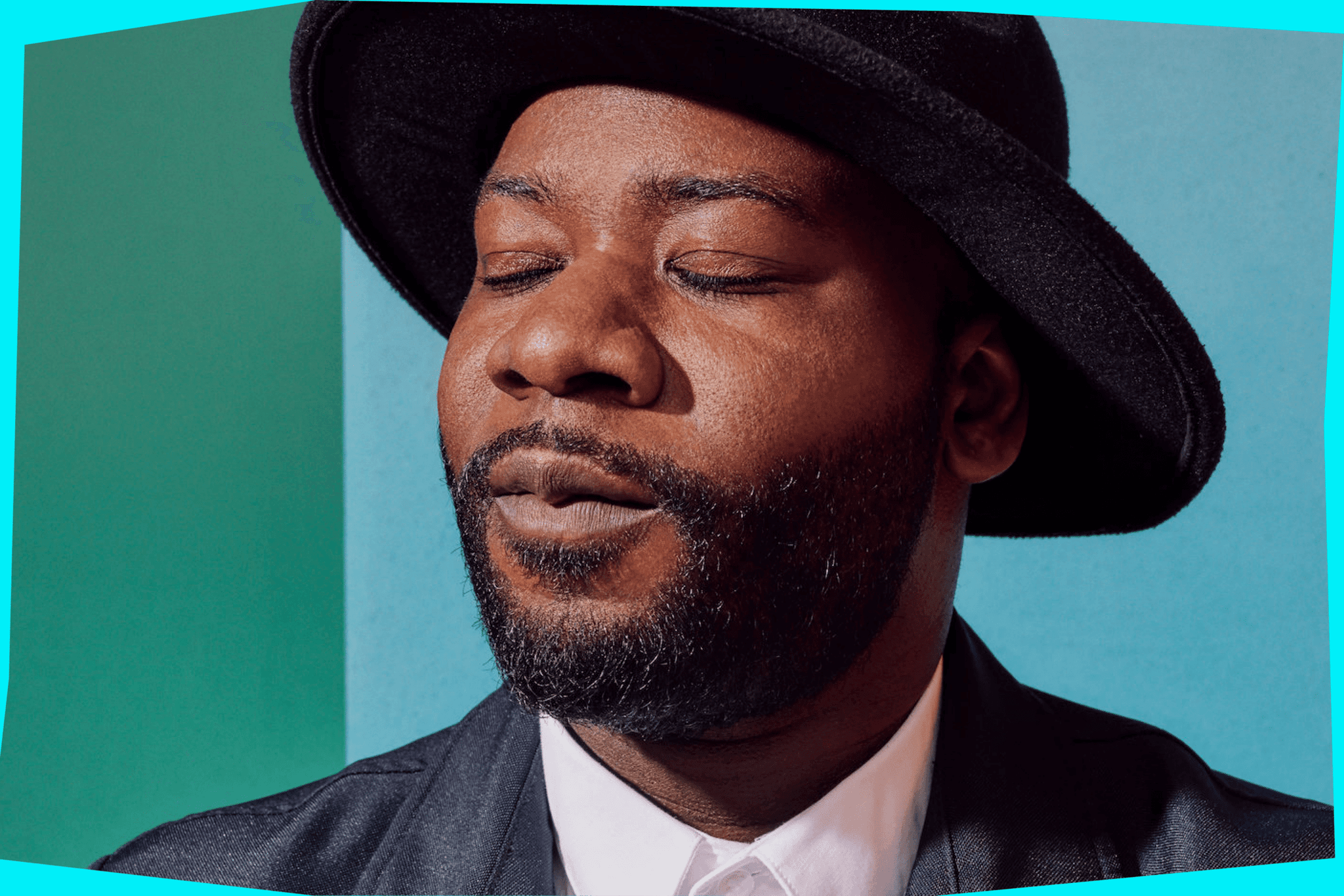
Blitz Bazawule
Maori chats with Blitz Bazawule, the musician, filmmaker, writer and painter. Topics include Black Atlantic and Kwame Nkrumah, moving to middle America from Ghana, finding a creative tribe, and the multi-dimensional power of film as a tool for Afro diasporic storytelling.
(Season 1)
Arthur Jafa
Filmmaker and artist Arthur Jafa joins Maori to discuss freedom, collective action as counter culture, the Black cinematic trajectory, and the importance of geography in forming our pictorial and musical traditions.
(Season 1)
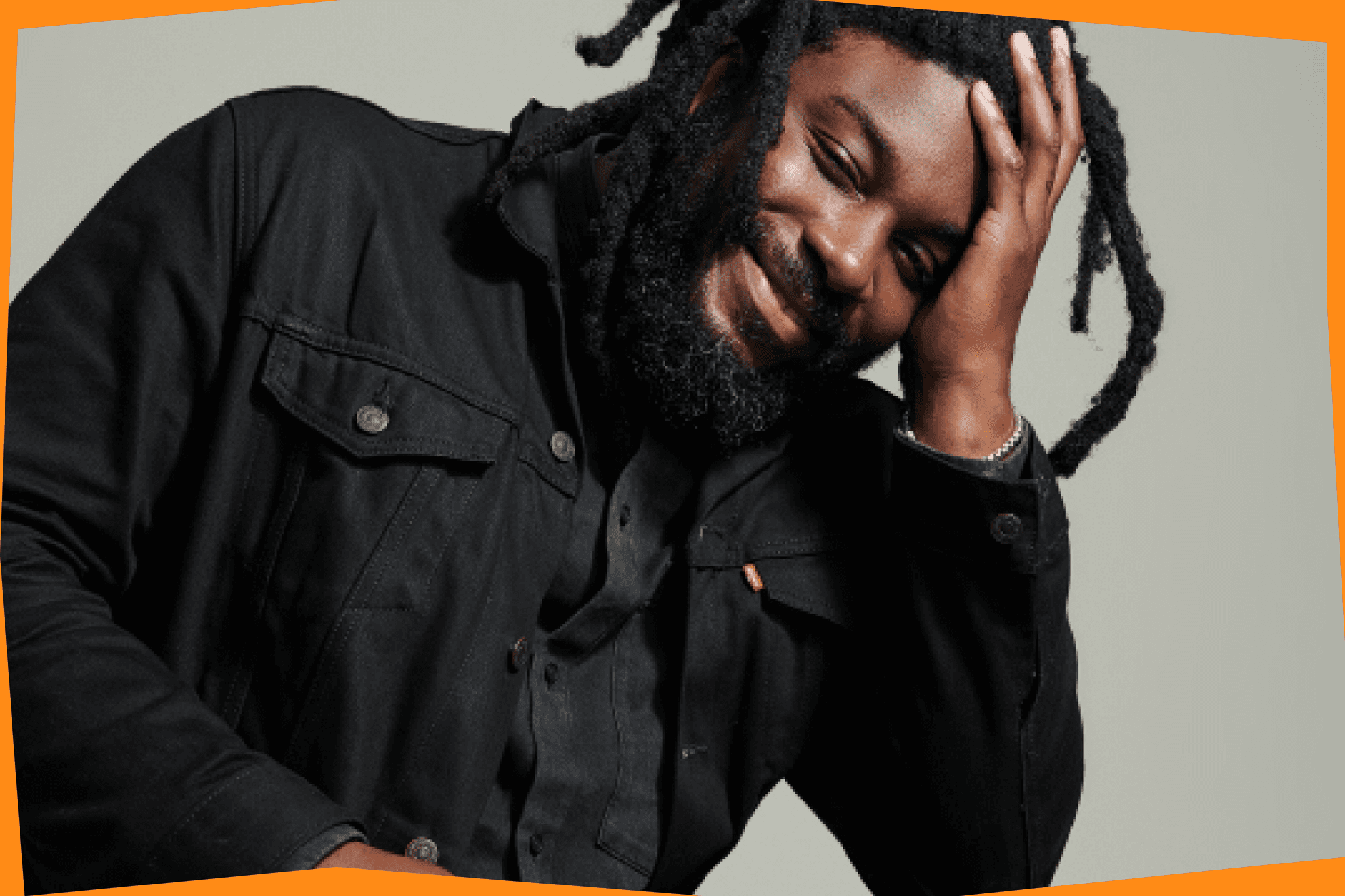
Jason Reynolds
Writer and poet Jason Reynolds posits literature as a form of radical world-making. Maori talks to him about kindred experiences in the late 90s D.C. spoken word scene, hippie parents, his love of Queen Latifah (and not so secretly 90 Day Fiancé) and so much more!
(Season 1)
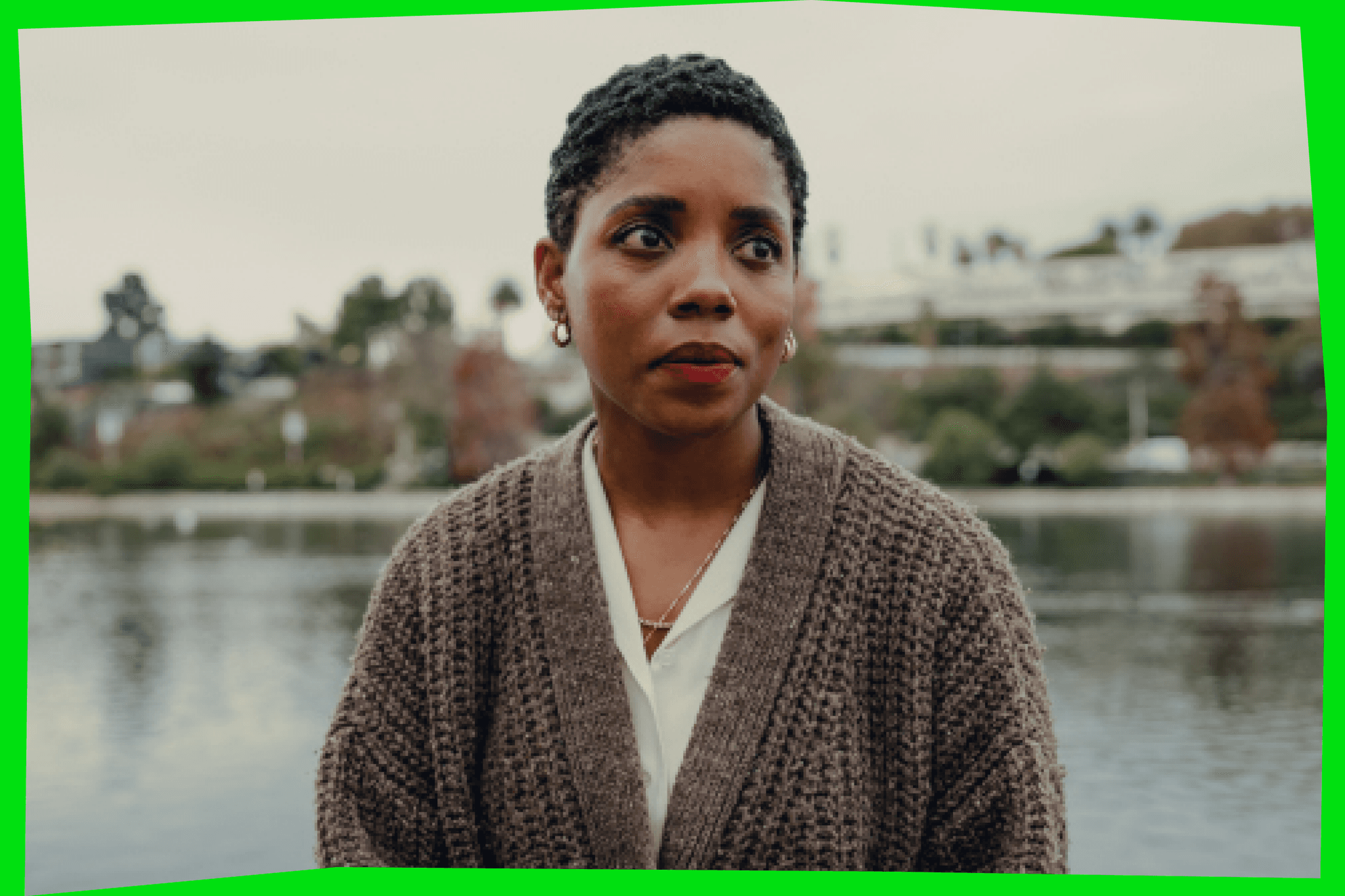
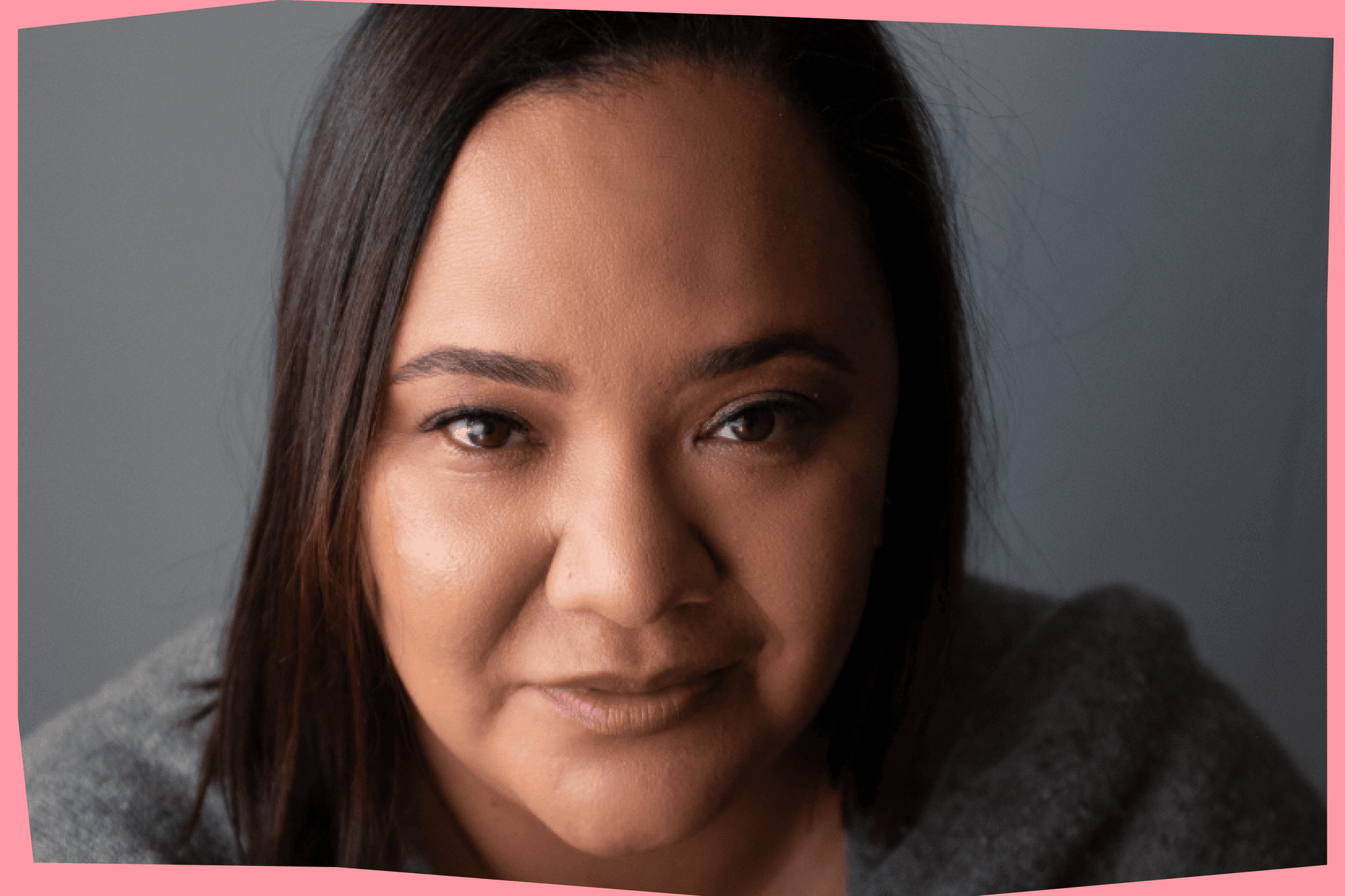
Janicza Bravo
Maori is joined by filmmaker Janicza Bravo. Their chat encompasses everything from accountability and friendship, to her hands-on creative process and the importance of choosing your battles, to her latest feature Zola and a shared childhood obsession with Barbies! Get into it.
(Season 1)
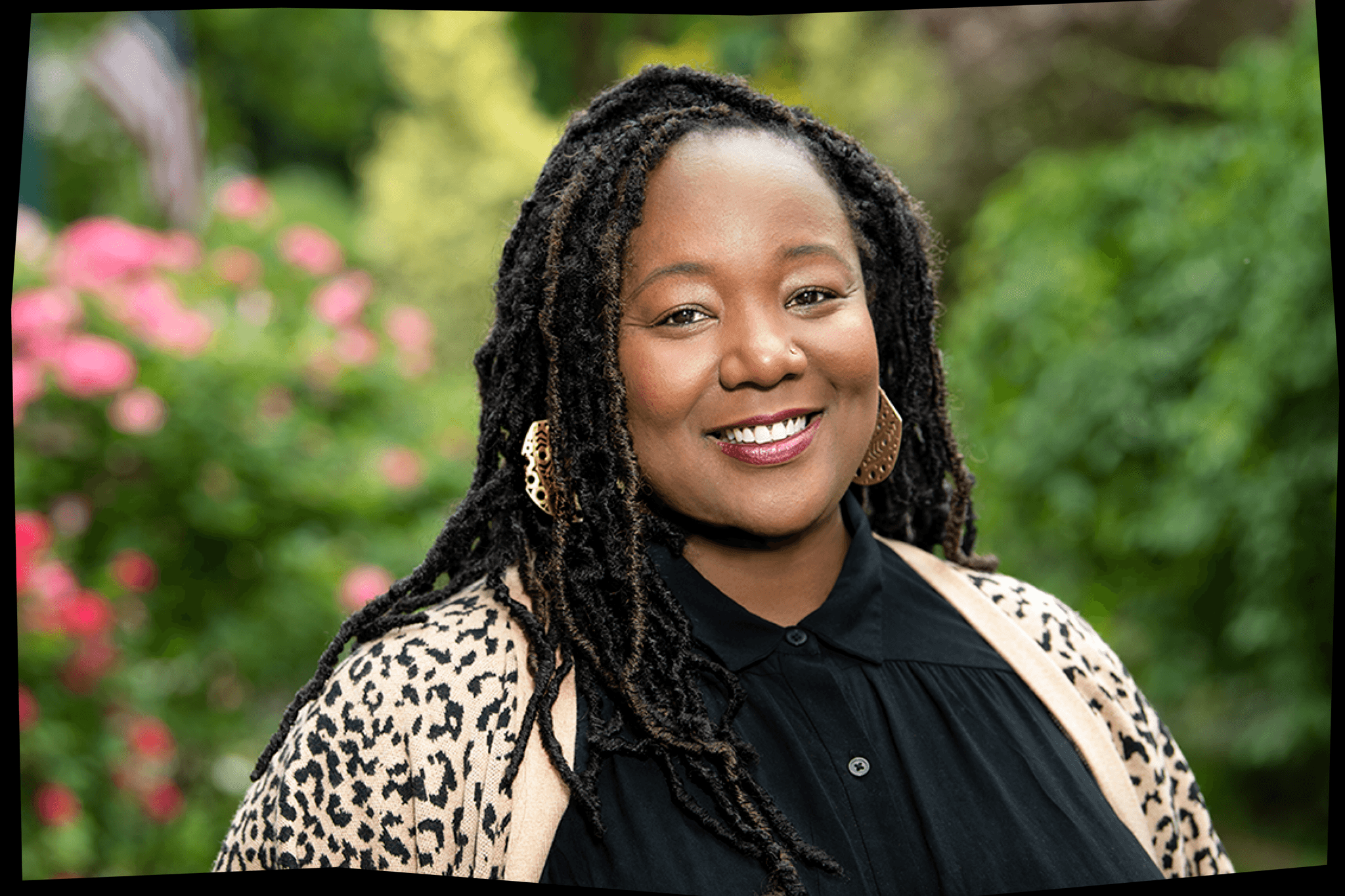
dream hampton
Maori is joined by friend, writer and filmmaker dream hampton, for a talk that evokes the intimate dimensions, costs and rewards of being committed to a Black radical politics. Topics include her early hip hop influences, Detroit, writing and making films, the necessary practice of tuning out the trolls and finding refuge amidst the chaos.
(Season 1)
Introducing Many Lumens
Meet the host of Many Lumens and learn more about the inspiration behind the podcast in this short conversation between Maori Karmael Holmes and journalist Dyana Williams.
Find us wherever you listen to your podcasts.








Maori and guest co-host, multimedia artist, Rashid Zakat interviewed NYT Magazine writer and community care worker J Wortham. Recorded live at the 2023 BlackStar Film Festival.
Brought to you by the Open Society Foundations